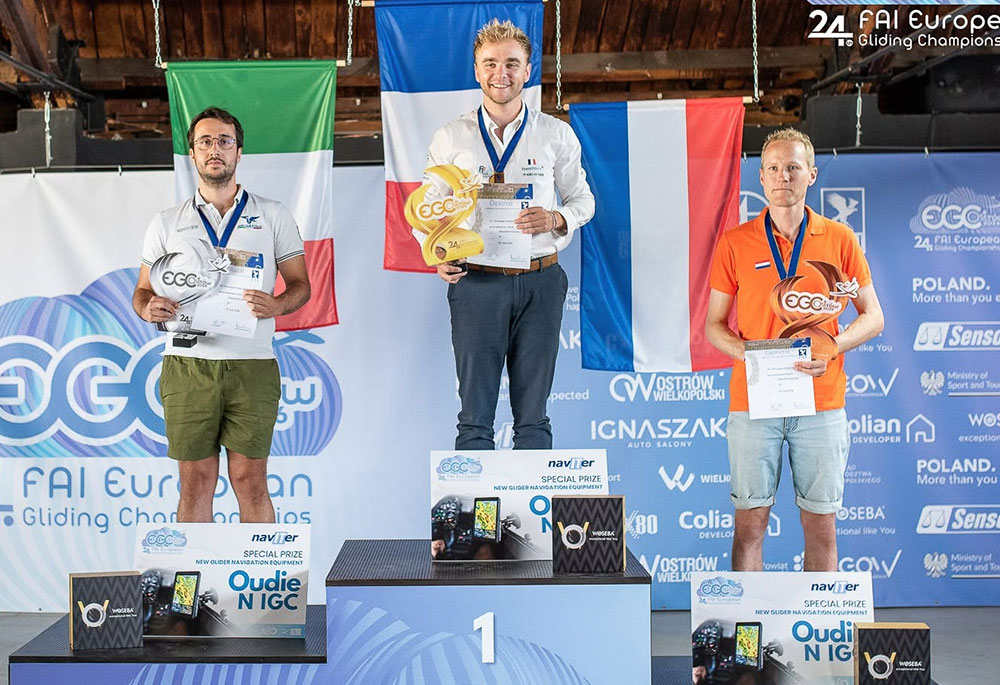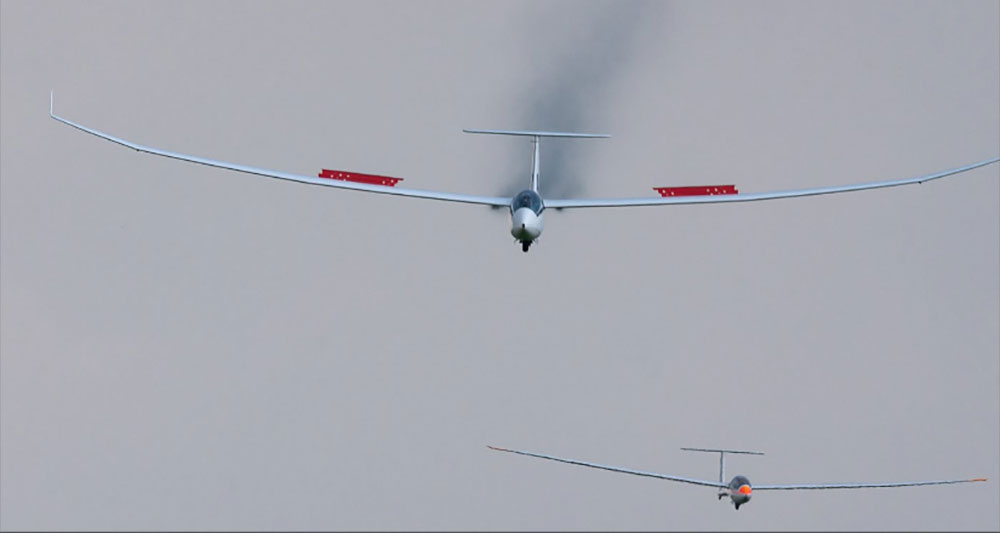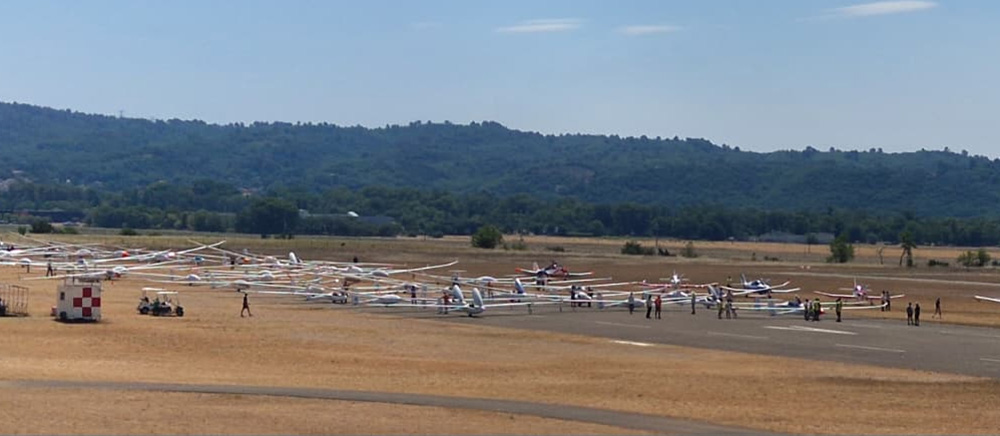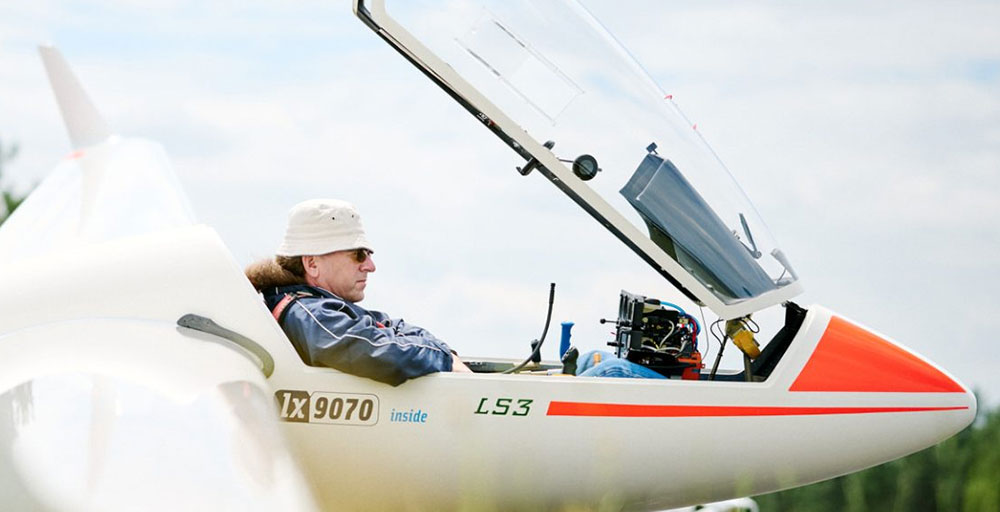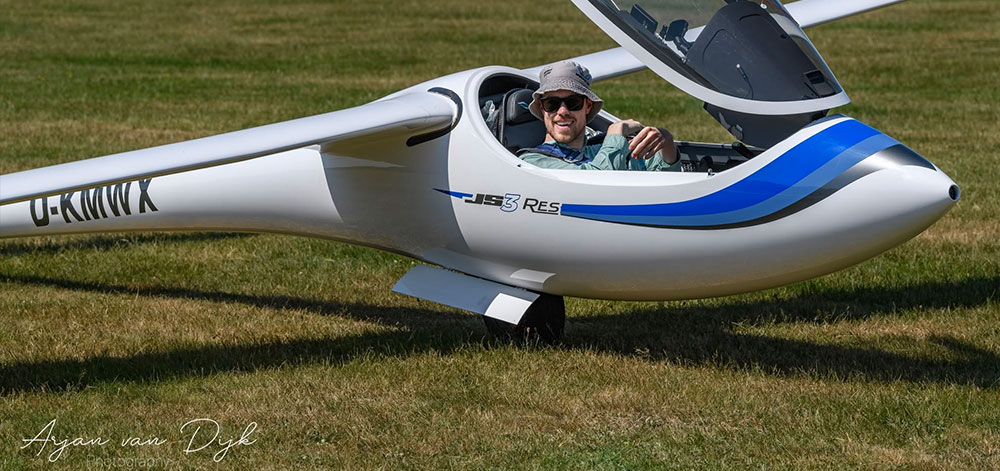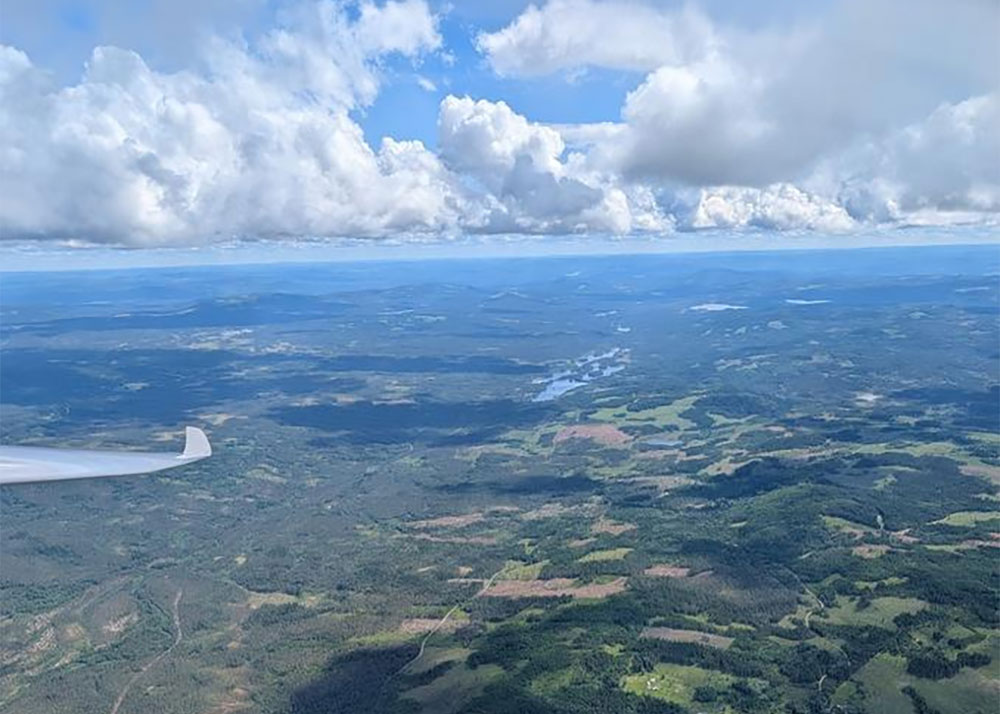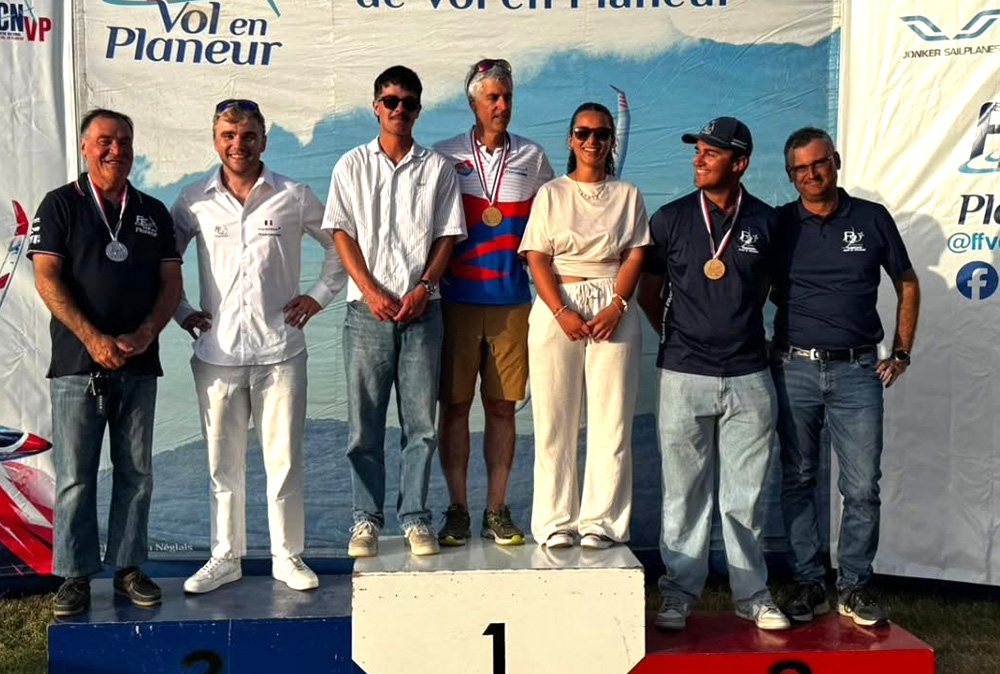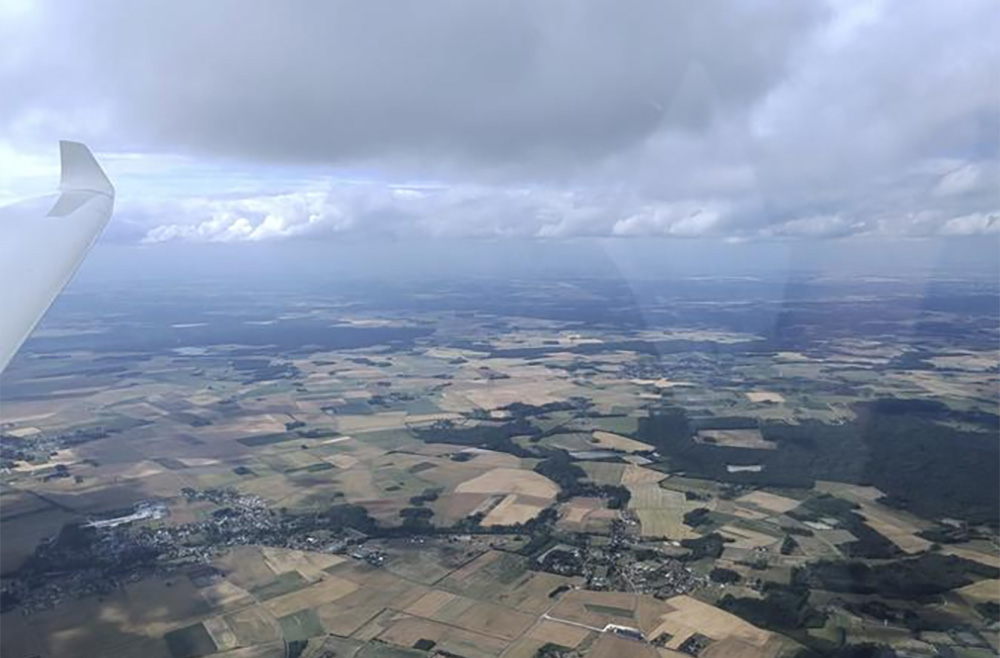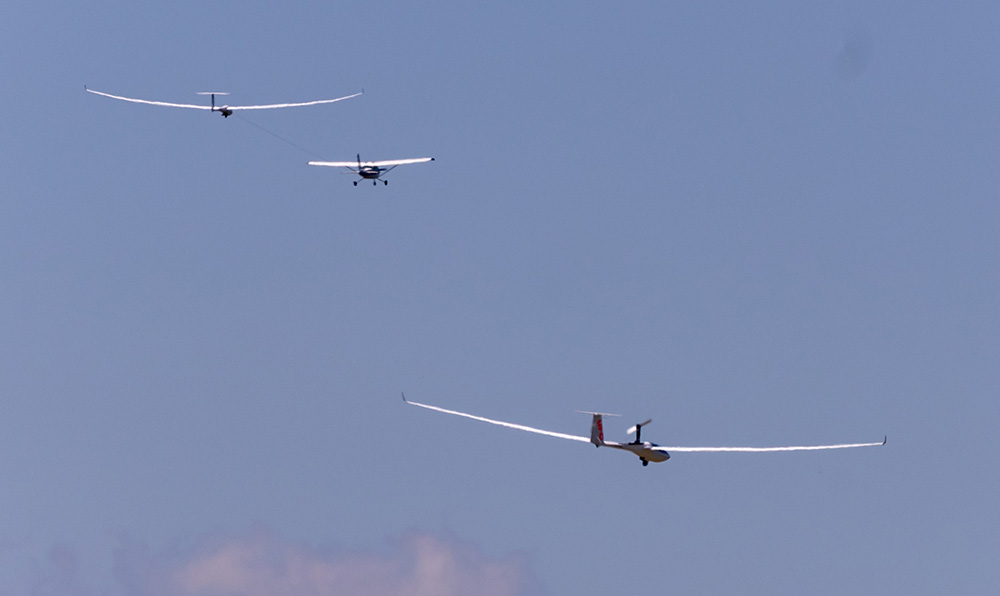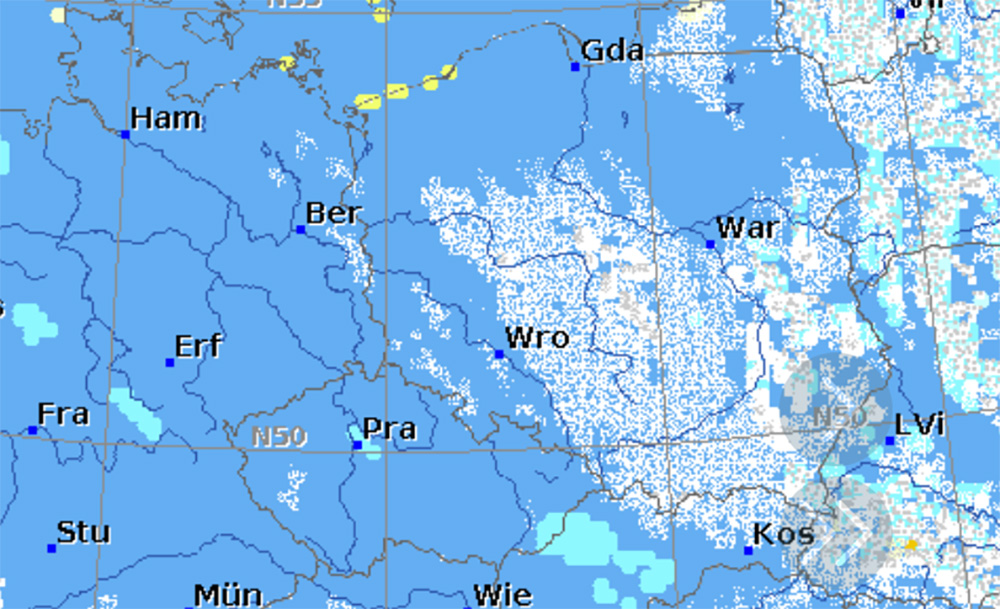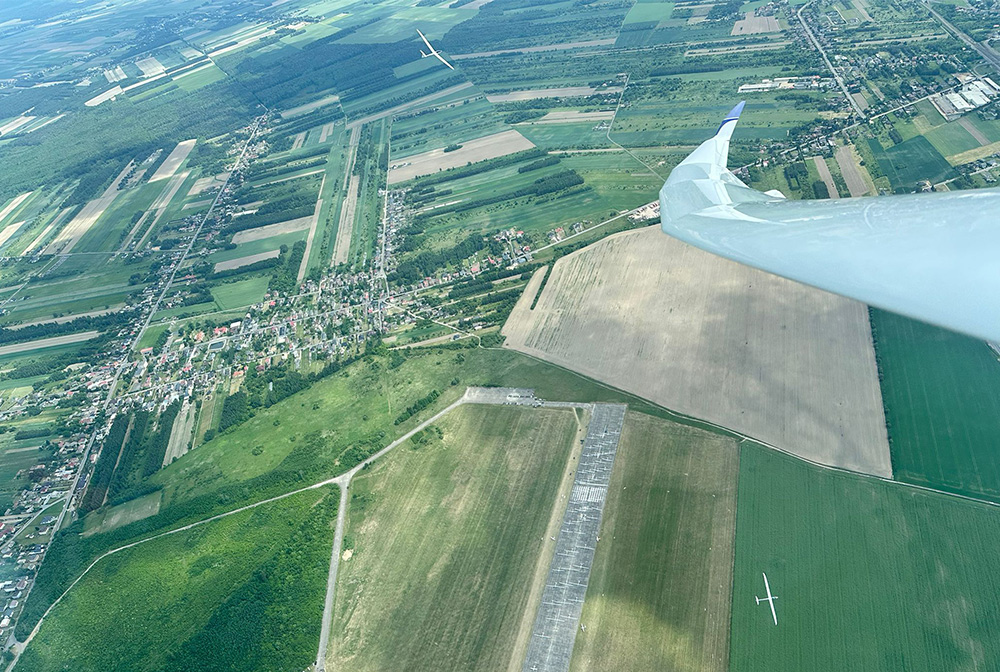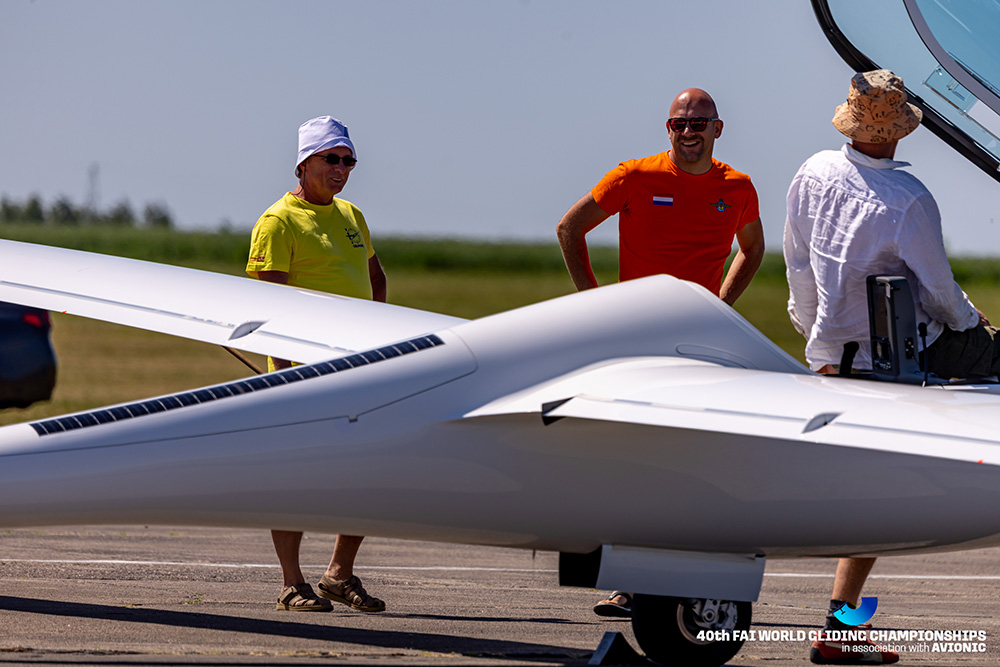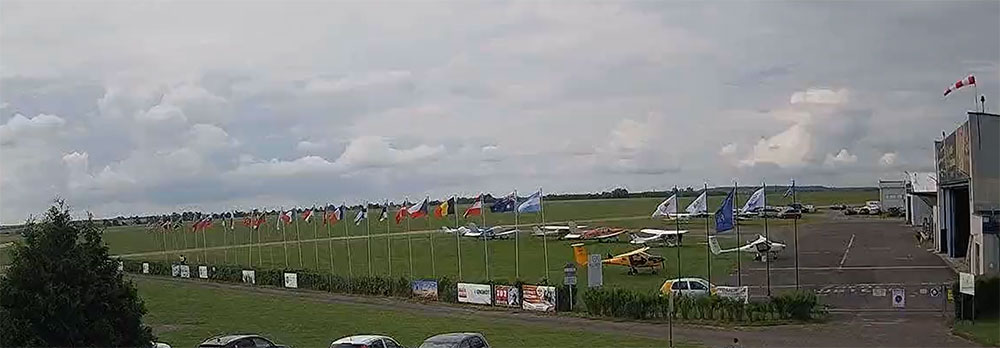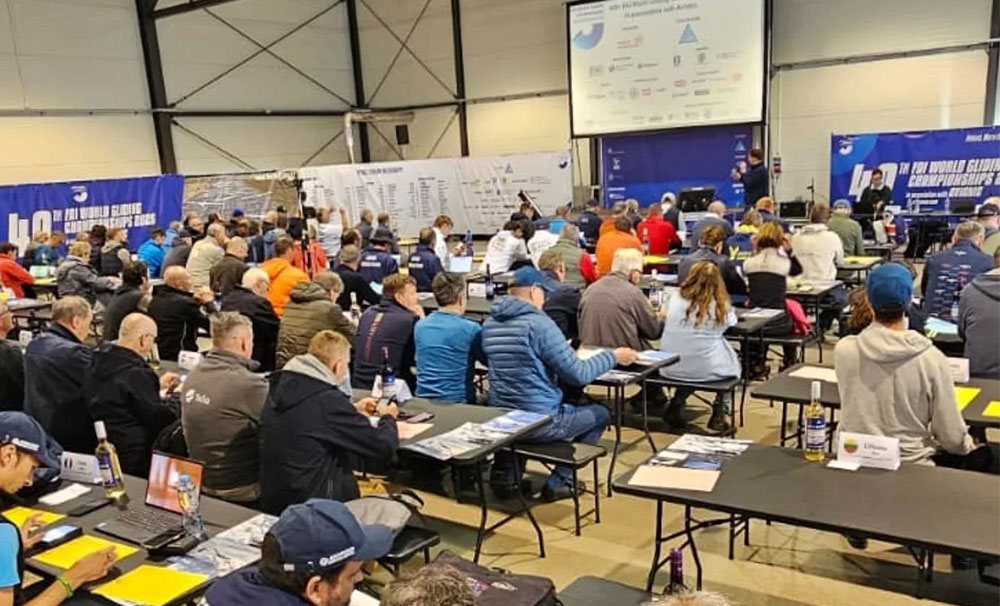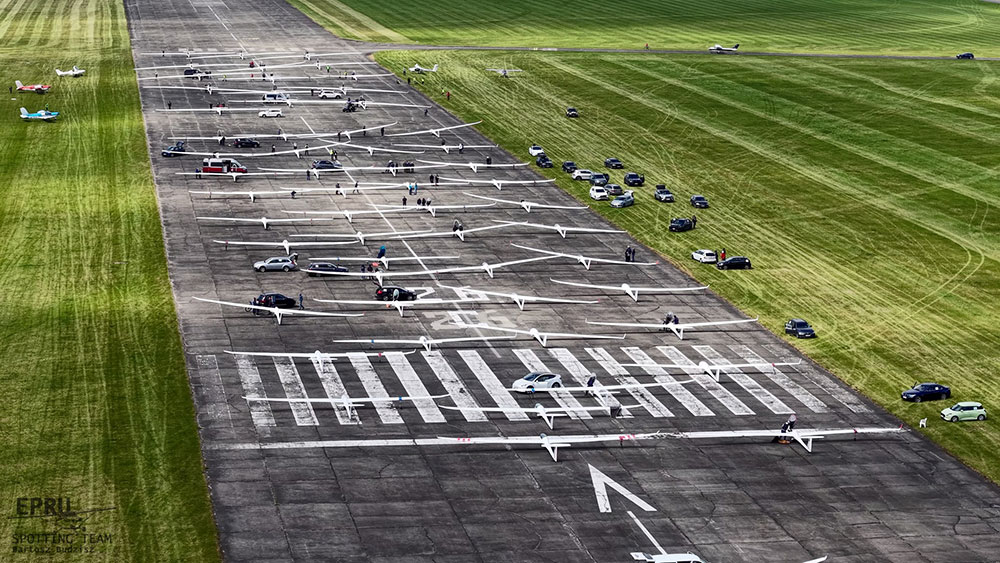

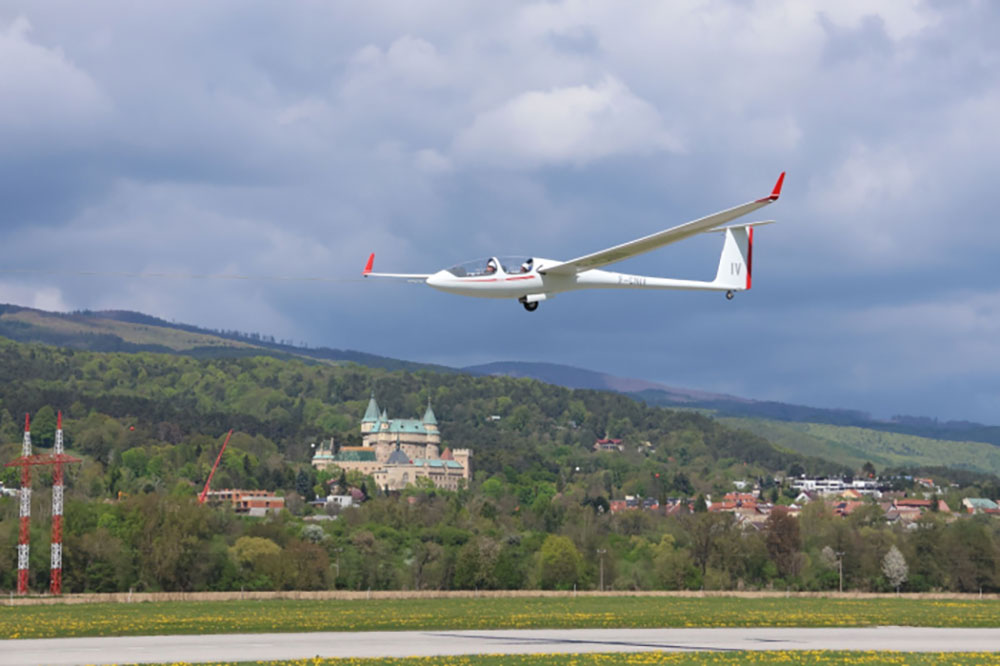
The Flight Challenge Cup 2026 ran from 12 to 23 April at Prievidza in central Slovakia, drawing pilots from across Europe and beyond for a ten-day contest window in three classes Club, 15-Metre (labelled Kombi-A on the scoresheet), and Mixed (Kombi-B). Weather permitted seven scoring tasks in each class
First Points16 April
The first scoring day came on 16 April, four days into the competition window, after a prolonged period of unsuitable weather beforehand. Tasks were Assigned Area Tasks set for 2:30 in the Club class, 2:15 in the 15-Metre class, and 2:15 in the Mixed class, all routing around western Slovakia with optimal distances in the 248–263 km range.
In the Club class, David Mach of Aeroklub Hronov flying an ASW 20 CL took the day win with a speed of 105.59 kph over 264 km, earning the full 800 points available. Slavomir Piskaty (Discus CS WL) finished second at 99.81 kph, with Roelof Corporaal (LS 7 neo) third at 100.03 kph — the slightly unusual ordering of positions two and three reflects the handicap-adjusted scoring rather than raw speed alone. Robert Simion landed out with 202 km covered, while Rafal Morawiec managed only 16 km before coming down, suggesting conditions were not straightforward for every pilot.
The 15-Metre class was won by Norbert Scarlat (Romanian Airclub, Duo Discus 700kg) at 111.62 kph, with Barbora Moravcova (LS 8 15m) fractionally behind at 111.51 kph and Alex Pop (Discus 2a) third at 111.29 kph — an extremely close top three separated by less than 0.35 kph. In the Mixed class, the Lesinger and Grula crew (ASG31Mi) topped the day at 119.05 kph, with Leszek Staryszak (ASG 29E) posting the highest raw speed of 120.21 kph but ranking second after handicapping, and Gintas Zube (ASG29 E) third at 120.09 kph.
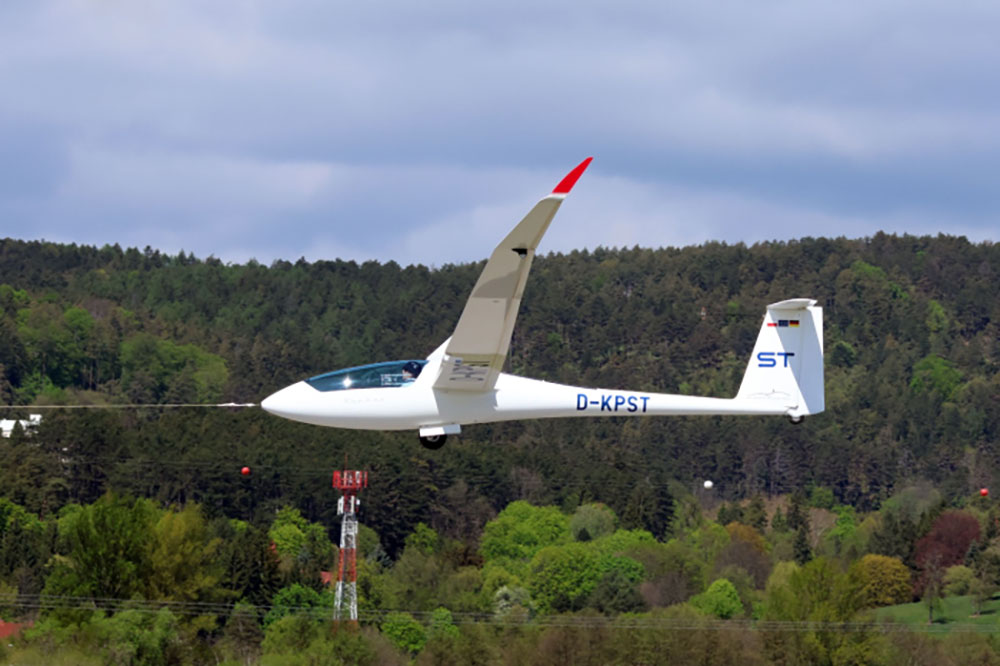
A Full Day17 April
The third task brought a three-hour Club class AAT with an optimal distance of around 304 km, routing through Novak Odkal, Cata, Neverice Strip and Pribeta. This was the most productive Club day of the contest, with maximum points set at 1,000 and the top group achieving distances well above 300 km.
Roelof Corporaal took the Club day win at 100.17 kph over 321 km in just over three hours, claiming 1,000 points. Simon Siska (ASW 24 WL) was second at 96.70 kph with David Mach third at 98.63 kph. Jerzy Mikolajczyk was the only pilot not to complete the task, travelling just 17 km. Rafal Morawiec was penalised for starting outside the PEV interval. Official results were declared for this day, adding some stability to the overall standings.
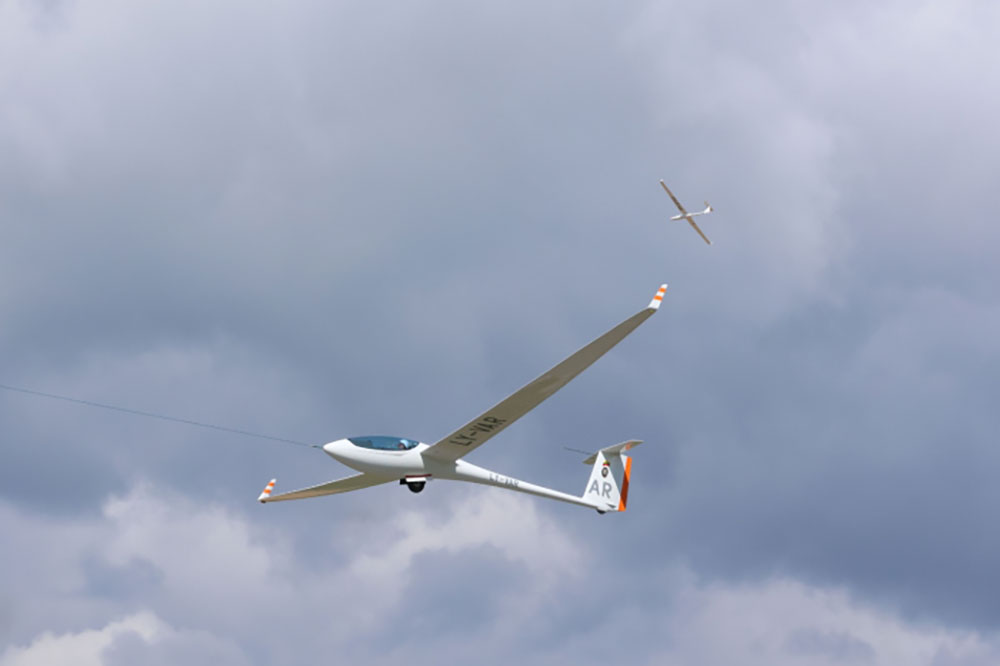
Racing Task18 April
Task 4 was a fixed-route Racing Task of 279.53 km through Kanianka, Lednica, Mincol, Turcek and V Tribec, with all gliders flying the same declared course. This format produces cleaner speed comparisons than area tasks, and the field spread out accordingly.
David Mach won again in the Club class at 93.11 kph for the full 1,000 points, with Robert Simion second at 87.10 kph and Corporaal third at 87.12 kph — another case where handicapping separated pilots within fractions. Marek Herbreder (SZD-55) and Jerzy Mikolajczyk did not finish the task, and Jan Wojewoda was penalised for starting seven seconds outside the PEV interval. Conditions were clearly demanding: even the winner's speed on a long mountain-crossing route reflected the sustained thermal challenge of flying over central Slovak terrain.
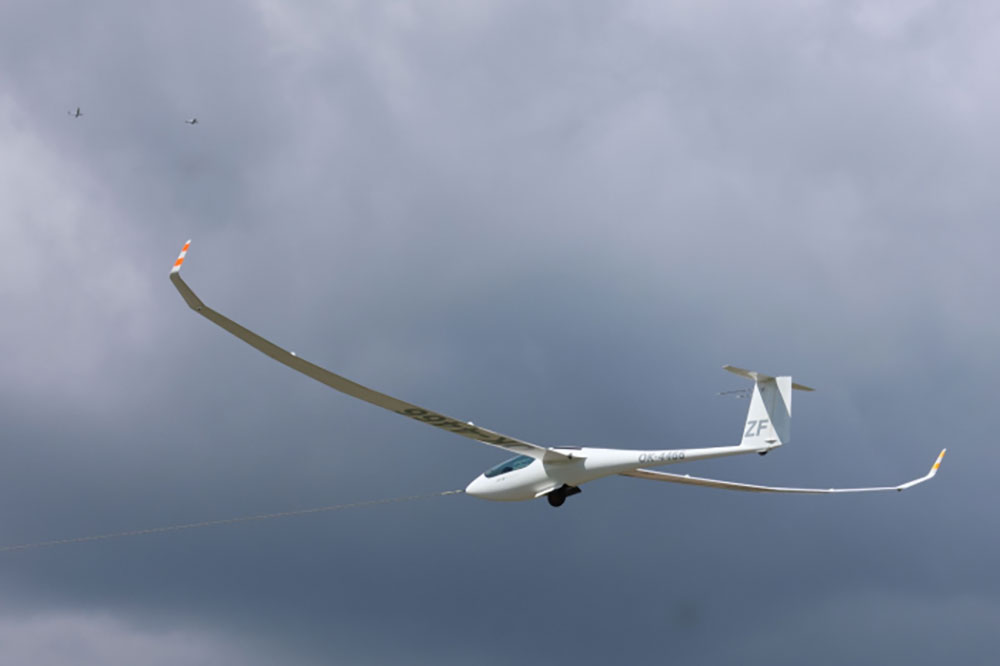
Shorter AAT 19 April
The 19 April task was set for 2:15 in the Club class, with an optimal distance of around 243 km through Kanianka, Povazska Bystrica, Choc and Zlate Moravce. Maximum points were 700, reflecting the lower-scoring nature of the day.
Edmund Schuller (ASW 24 WL, SGC Martin) broke Mach's run of wins with a day-best 109.77 kph, earning 700 points. Mach was second at 107.63 kph, and Piskaty third at 104.06 kph. All twenty Club gliders flew, though Bodzsar and Mikolajczyk did not complete the task. Three pilots — Herbreder, Morawiec and Ogonowski — each received minimum task points of 350, with Morawiec again penalised for a PEV interval infringement.
Difficult Conditions 20 April 2026
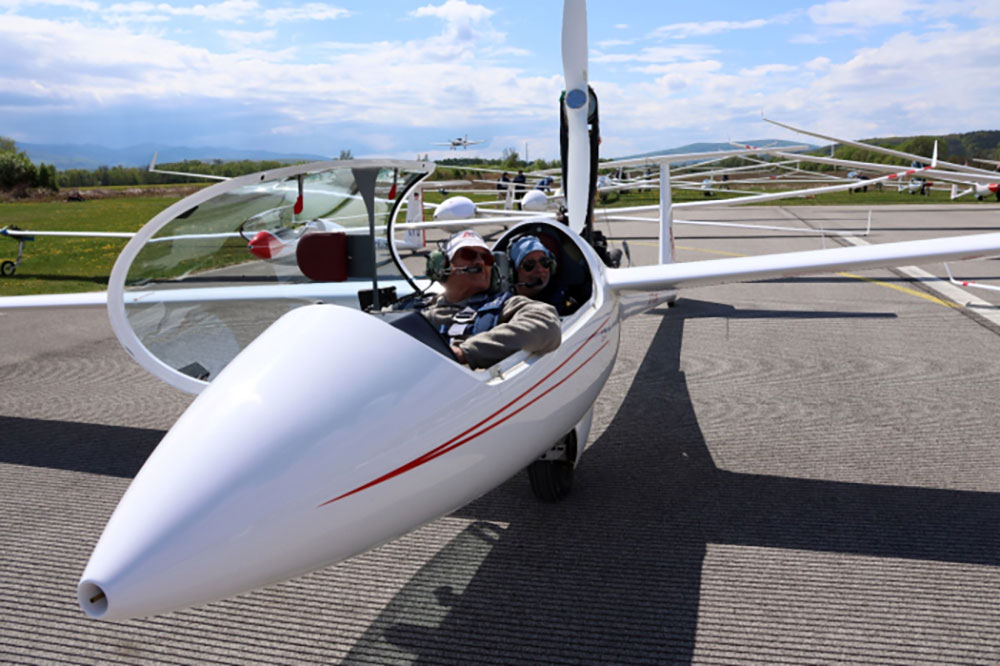
The sixth task covered a longer AAT of 220–308 km through Kanianka, Trebostak, LZNZ, Kamenny Most and V Tribec, set for 2:45. Maximum Club points available were 931. Only 18 of the 20 Club gliders flew — Arkadiusz Bajura and Jan Wojewoda did not take off — and the task clearly exposed some pilots to difficult conditions late in the day.
Mach returned to the top, flying 282 km at 99.81 kph for the full 931 points. Corporaal was second at 92.92 kph. Sven Olivier (Std. Cirrus WL, Cape Gliding Club) completed the course but received a penalty for finishing below the minimum altitude limit. Morawiec was penalised again for a PEV interval start error. Several pilots, including Schuller, Siska, Bodzsar and Vasilescu, did not complete the task and collected distance points only.
Mountain Routes 21 April
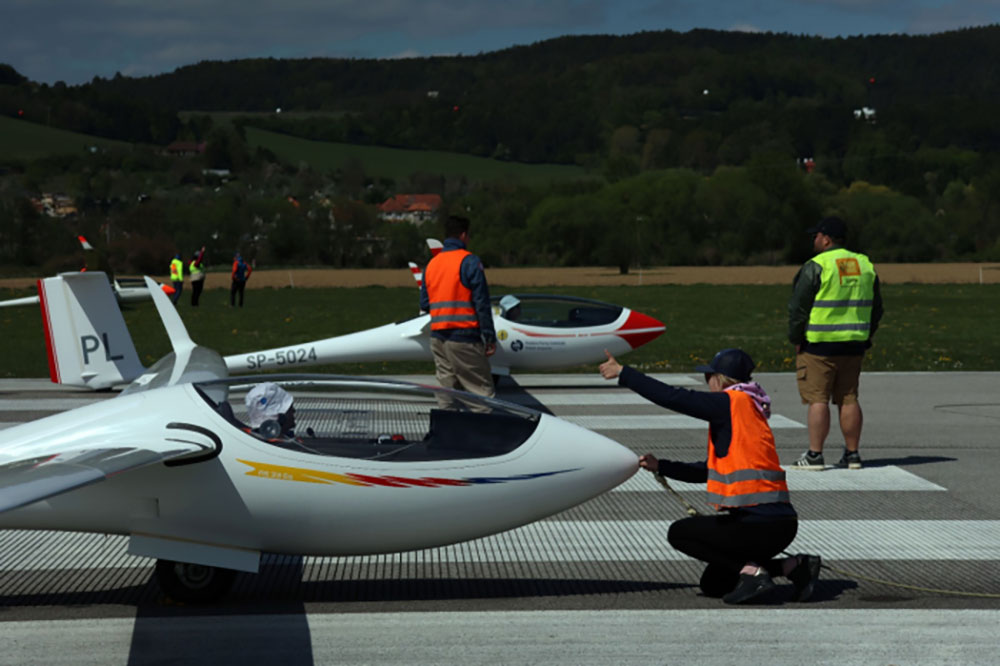
Task 7 was an AAT set for 2:15, routing through Kanianka, Lucivna, Vtacnik, Ilava and Skacany — a course that ventures toward the High Tatras before looping back. Optimal distance was around 232 km, with 792 points available at the top.
Mach took his fifth day win in the Club class at 100.86 kph over 250 km. The result was notable for how closely the next three pilots were separated: Simion at 96.94 kph, Corporaal at 98.71 kph and Rasimavicius at 99.25 kph all finished within four points of each other. Jan Wojewoda was penalised for finishing below altitude, and Andras Bodzsar received a PEV interval penalty. Bajura again did not fly.
Grand Final Racing Task 22 April
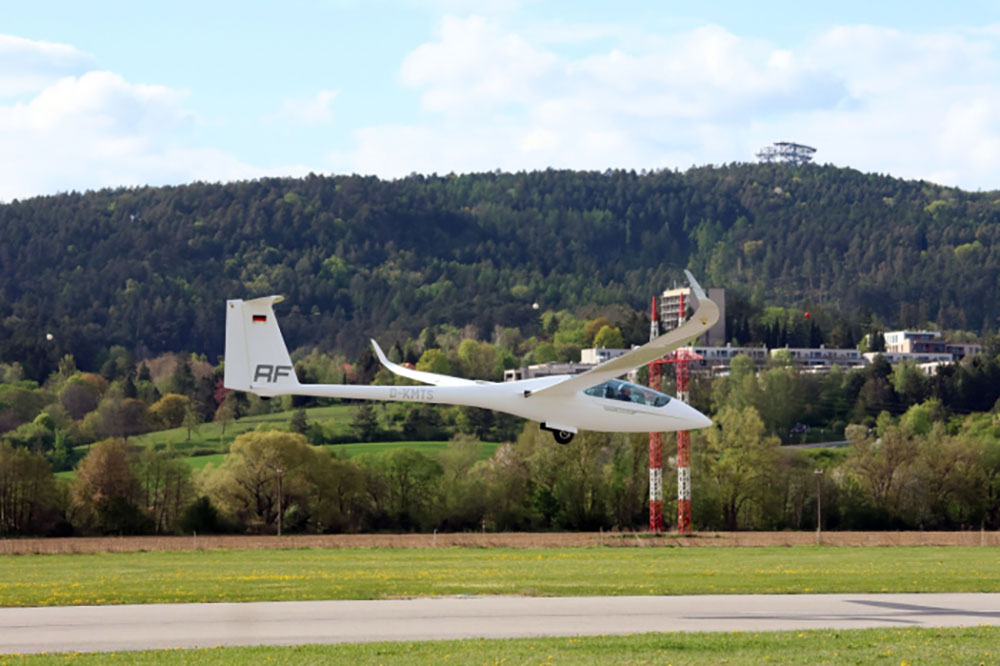
The final scoring day was a full-distance Racing Task of 533.66 km — considerably longer than any previous task in the contest — threading through Bojnice, Orava Antena, Kozubova, Vys Boca, Magura, LZSY, Besa and finishing at FL04. The task demanded sustained soaring over mountainous terrain for five to six hours and was set as the decisive day of the competition. Results were marked unofficial at the time of publication.
David Mach and Edmund Schuller shared the maximum 1,000 Club points, both completing the course. Mach flew 533.66 km in 5:19:17 at 100.29 kph; Schuller covered the same distance in 5:27:29 at 97.77 kph, with the handicap system placing them equal. Siska was third at 95.21 kph, followed by Simion and Bajenaru completing the task for Romania. Corporaal, Rasimavicius and Wojewoda also finished. Nine pilots did not complete the 533 km course, among them Morawiec who received no points for a missing PEV and Izdebski who picked up a first-offence airspace violation penalty. Bajura did not fly for the third consecutive day.
Final Standings — Club Class
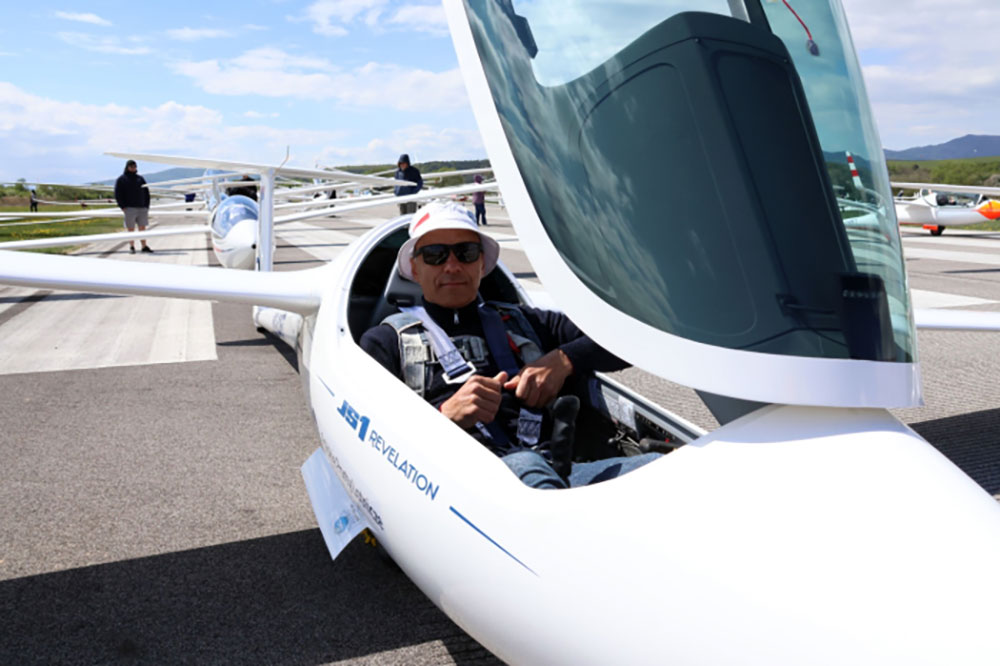
David Mach (ASW 20 CL, Aeroklub Hronov) won the Club class with 6,115 points from seven tasks. His consistency was the defining feature of his campaign: five day wins, a third place and a second place, with no result worse than second across the entire contest. Roelof Corporaal (LS 7 neo, GeZC, Netherlands) finished second on 5,893 points, including the only Club day win other than Mach's or Schuller's. Vytautas Rasimavicius (LS 3 WL, KASK, Lithuania) was third on 5,452 points, with Tudor Bajenaru (LS 4 neo, Romanian Airclub) fourth on 5,356.
Simon Siska (ASW 24 WL, AK Martin) sat fifth overall on 5,261 points despite a zero score on day six when he did not complete the task. Slavomir Piskaty (Discus CS WL, Kunovice) was sixth. The lower placings were marked by a combination of outlanding penalties and DNF days: Arkadiusz Bajura (Mini Nimbus C) collected zeros on days six, seven and eight, finishing eighteenth, while Jerzy Mikolajczyk (LS 4) accumulated the lowest total in the class at 1,108 points from scores that were consistently near the foot of each day's result.
15-Metre Class
Norbert Scarlat (Duo Discus 700kg, Romanian Airclub) led the 15-Metre class with 5,268 points, winning on days 2 and 8 and placing consistently through the middle tasks. Barbora Moravcova (LS 8 15m, AK Zbraslavice/SGC Martin) was second on 5,030 points, and Jan Knischewski (LS 8 a, LSC-Erftland, Germany) third on 4,911. Pavel Louzecky (LS 8, AK Pribyslav) was fourth at 4,898, and Jan Hertrich (LS 8T, SSV Ludwigshafen) fifth at 4,892 — a notably tight contest at the top, with positions two through five separated by just 138 points.
At the foot of the 15-Metre class, Jan Keher flying his Discus 2cT 18m for home club Prievidza scored 756 points — a score shaped by multiple zero-point days — while the Kovalcik and Manka crew (Arcus M 850kg, Bratislava) scored 619, having recorded points only on the first flying day. Four pilots — Schonmann, Sindely, the Hynek brothers — recorded zeros across all tasks and finished equal last with no points at all.
Mixed Class
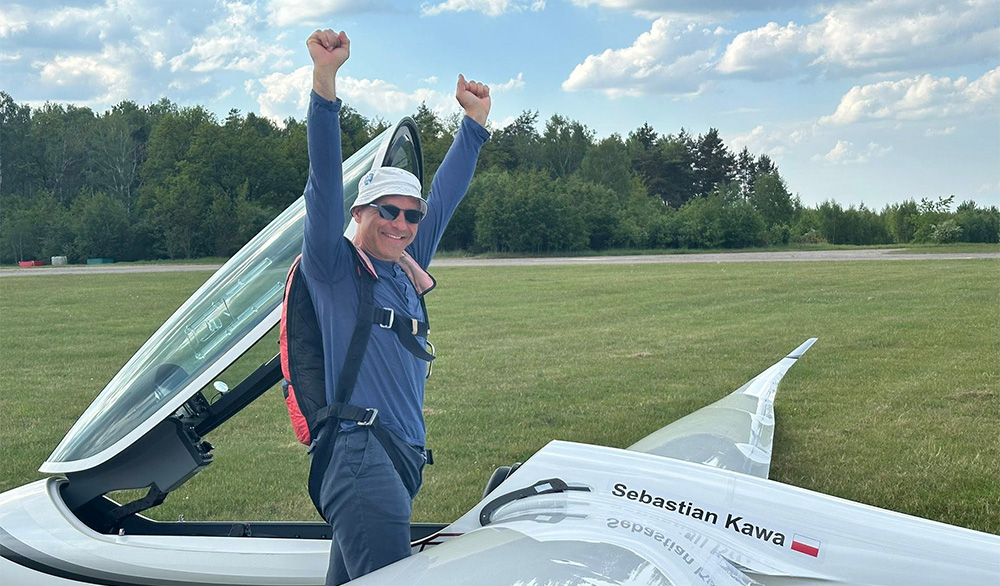
The Mixed class was the largest at the contest, with around 45 to 49 entries depending on the day, and contained a wide range of glider types from 15-metre two-seaters to 28-metre open-class machines. Karol Staryszak (AS33Es, Nadwislanski, Poland) won the class on 5,524 points, flying consistently well across all seven tasks and taking the Task 8 maximum. Sebastian Kawa (JS1 EVO 18m, Bielsko-Biala, Poland) was second on 5,493 — the closest final margin in any of the three classes, just 31 points — with Boris Zorz (JS3, Lesce, Slovenia) third on 5,245.
Aneta Chabora (ASG 29, Leszczynski) was fourth on 5,154 and Bernd Goretzki (Ventus 3M, Lokomotive Lockotw) fifth. The Lesinger and Grula crew (ASG31Mi, Brno-Medlanky), who had won the very first scoring day, ended the contest sixth overall on 5,135. Notable performances included Nuutti Kankare (Ventus 3F, Nummela, Finland) who won day three of the Mixed class outright with a speed of 96.48 kph but finished 38th overall, suggesting isolated days of strength without the consistency the top pilots maintained. Gintas Zube, who placed third on the opening day, collected a zero on day seven and fell to 17th overall.
Competition Overview
The Flight Challenge Cup 2026 delivered seven scoring tasks across a twelve-day window, with the early days lost to weather. Tasks ranged from short 2:15 AATs to the 533 km grand finale racing task on the last scoring day. The contest used Assigned Area Tasks for most days and switched to fixed Racing Tasks on days four and eight — both of those days placing a premium on sustained cross-country performance over the Slovak mountains.
Handicapping played a visible role in all three classes, with raw speeds frequently re-ordering the placings once corrected. PEV interval penalties affected several pilots across the contest, particularly in the Club class, and airspace and altitude infractions also influenced individual day scores. The competition drew pilots from Slovakia, the Czech Republic, Poland, Germany, Romania, Lithuania, the Netherlands, Hungary, Slovenia, Austria, Finland, Spain and South Africa — with Sven Olivier of the Cape Gliding Club completing all seven tasks in the Club class to finish tenth overall.
Full results and task details are available at soaringspot.com/en_gb/fcc2026