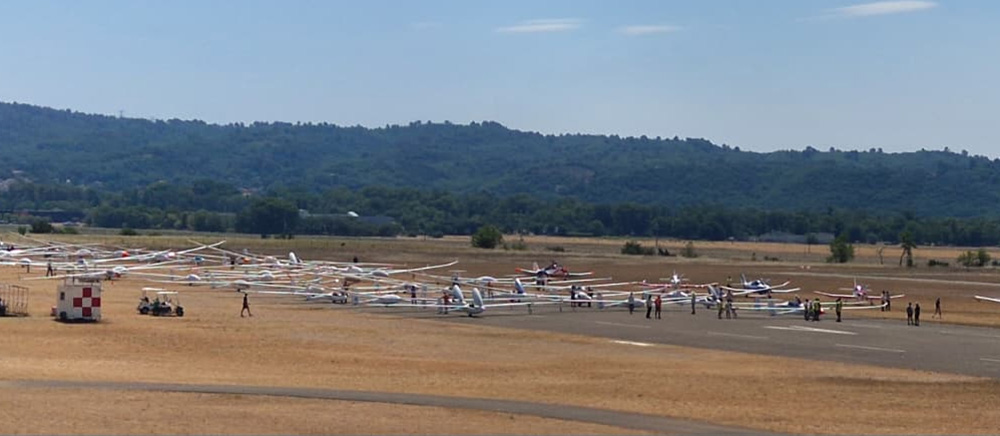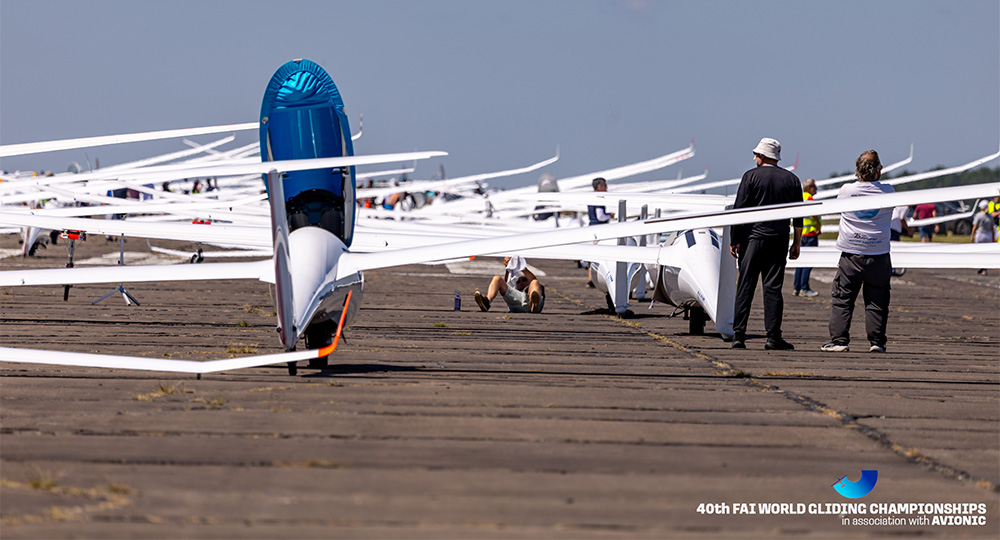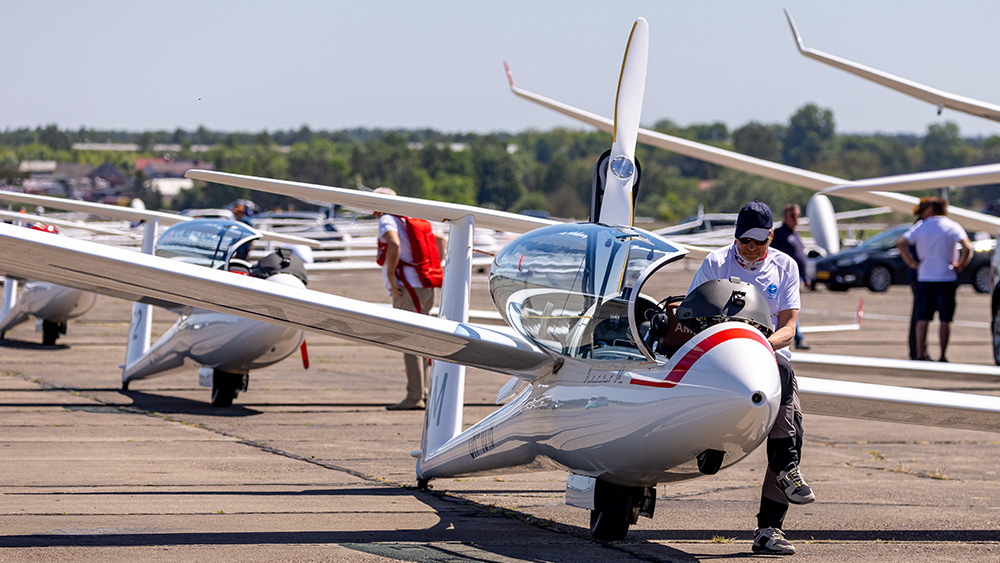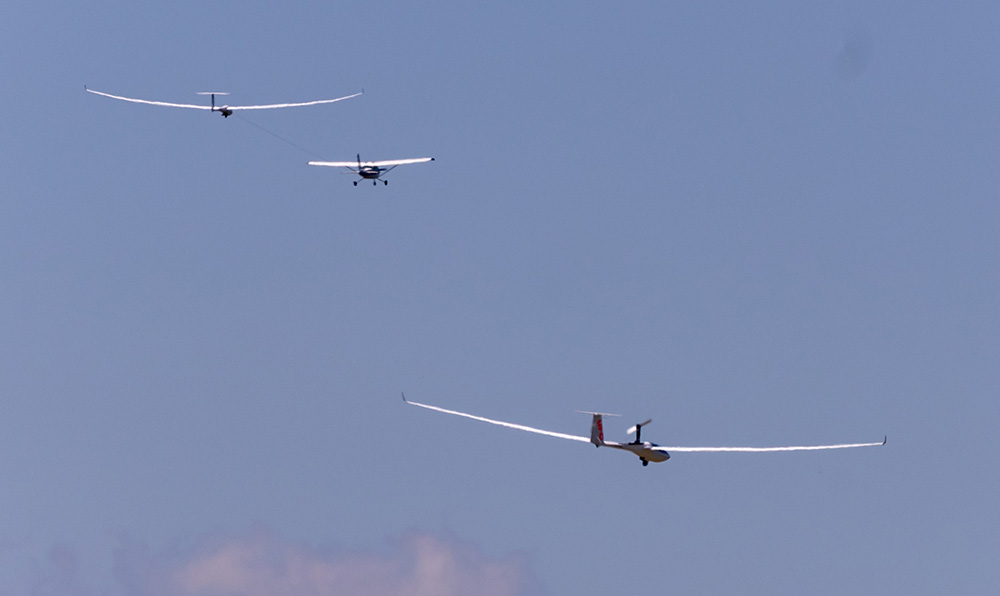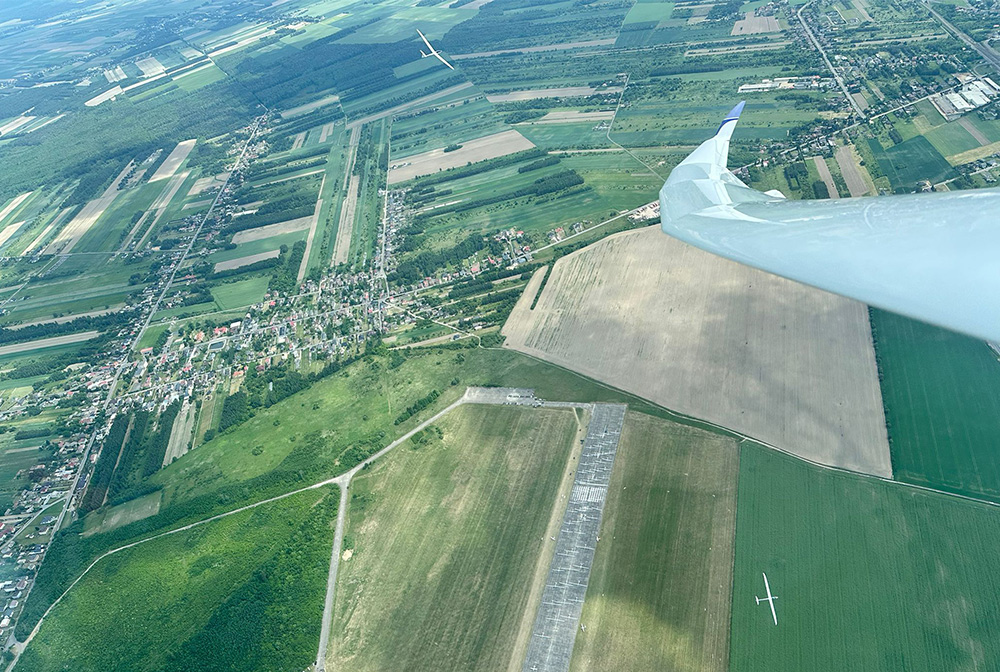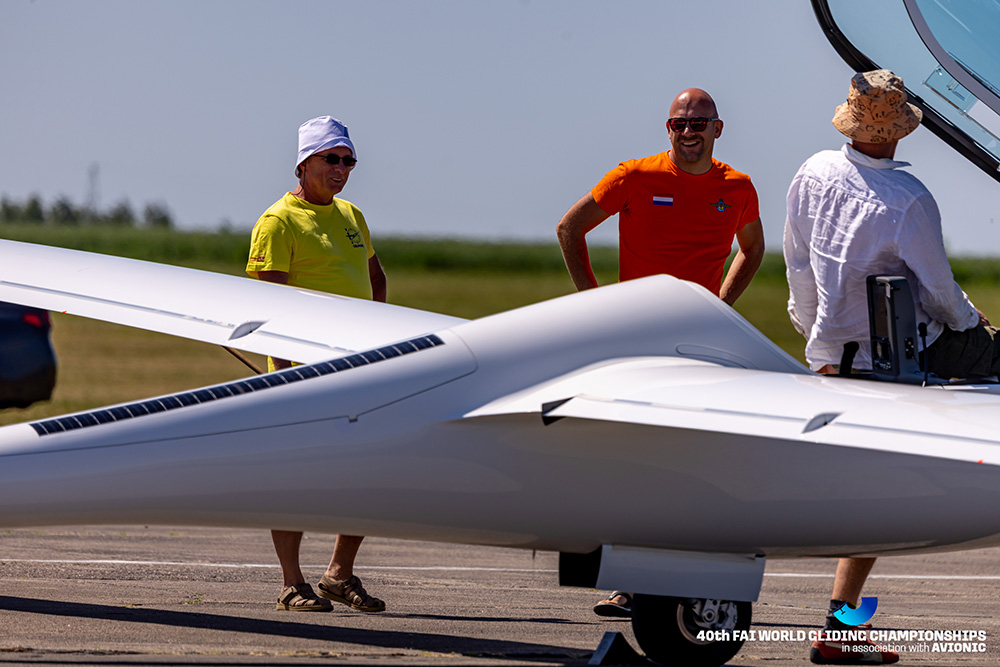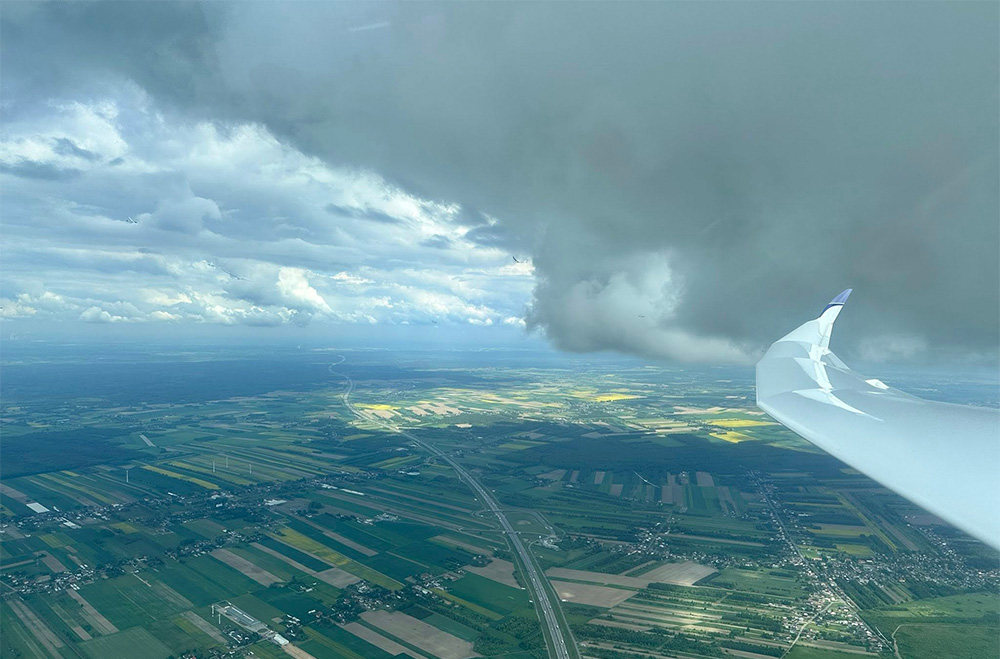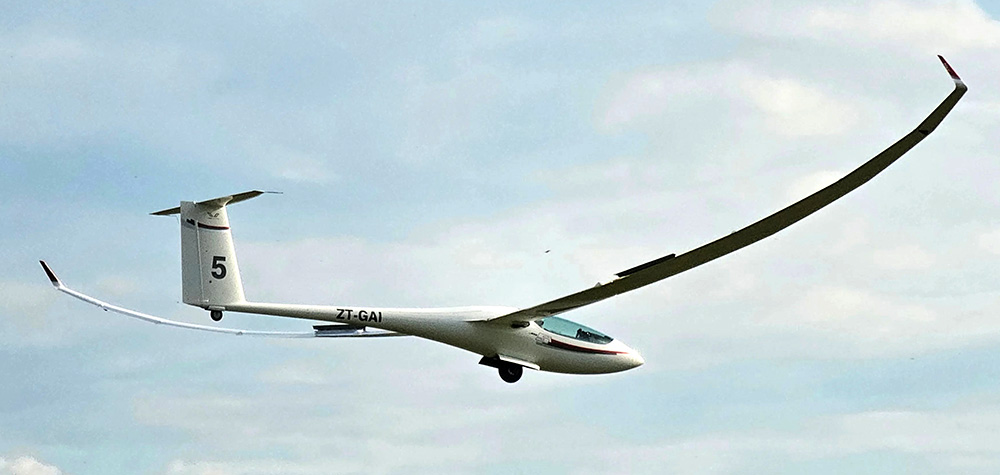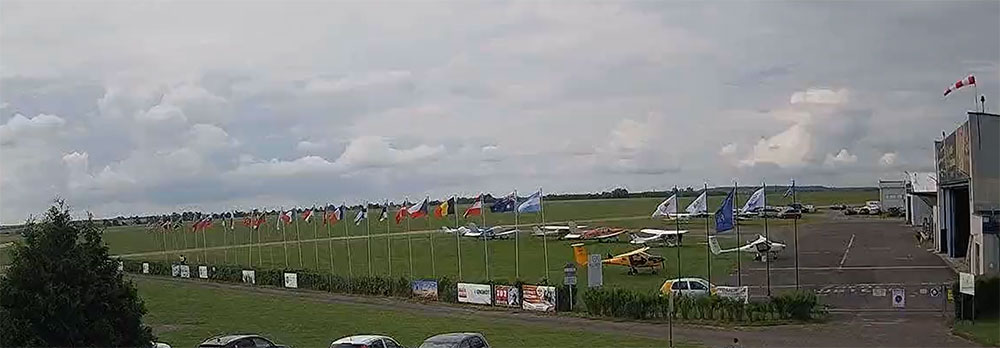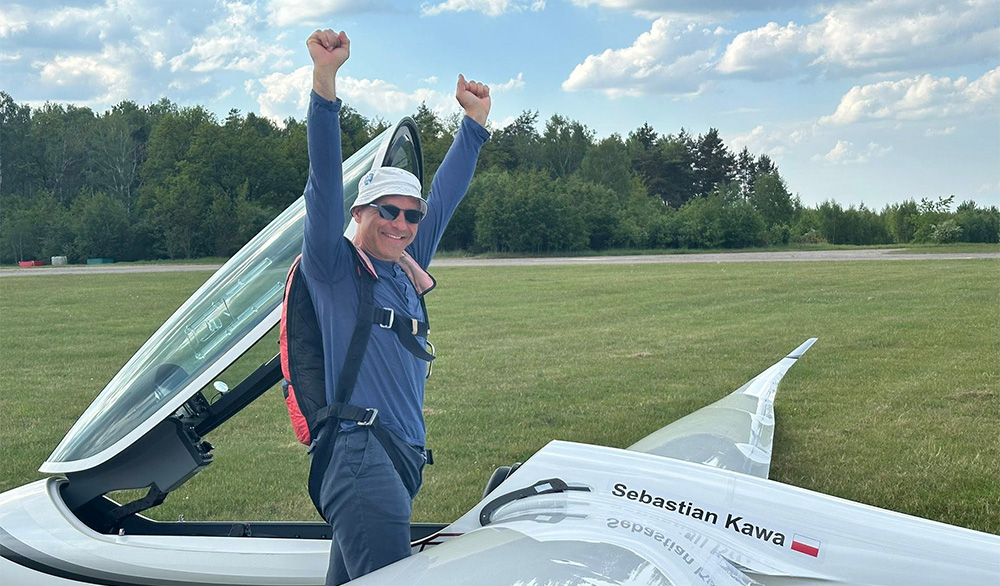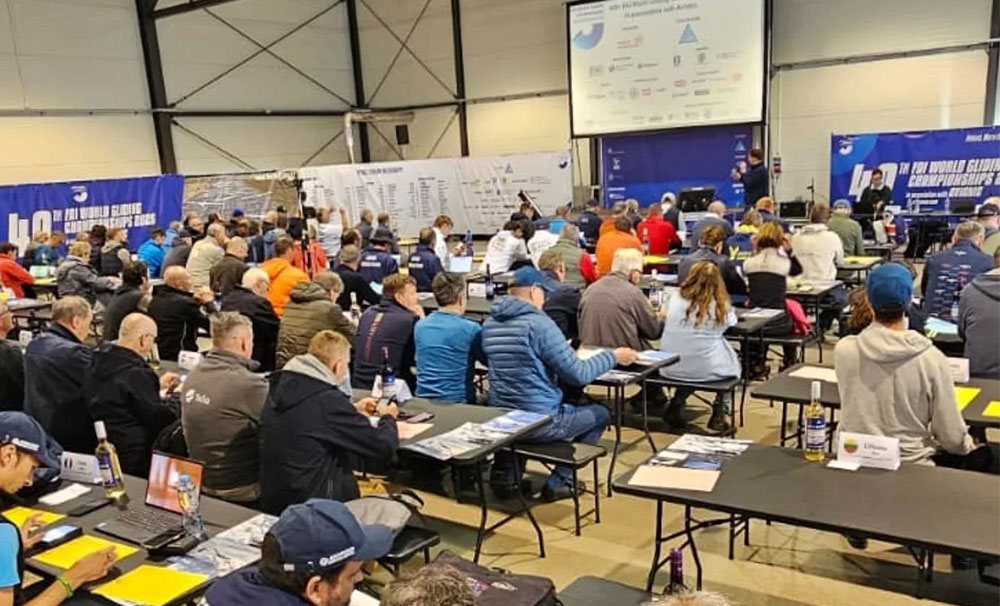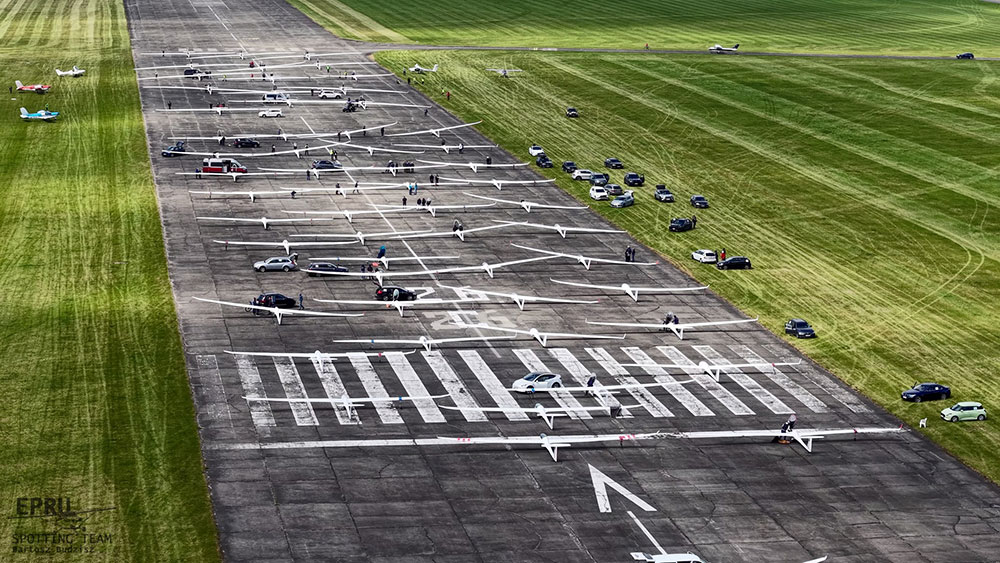

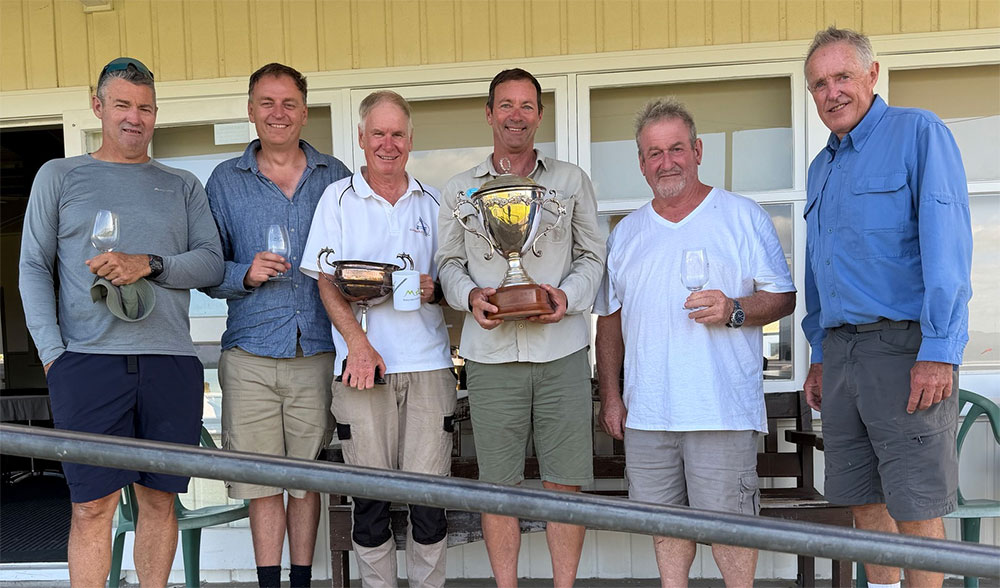
The GNZ Grand Prix 2026 wrapped up at Matamata Aerodrome on 15 March after ten days of competition that ran from 6 March. Five tasks were flown across two classes, GP Class A and GP Class B, with the Waikato's familiar mix of thermic days, blue skies and the occasional frustrating overdevelopment keeping pilots on their toes throughout.
The Competition Format
Task distances in Class A ranged from around 150 km to just over 201 km in the variable-distance format, with actual flown distances typically settling near 168 to 177 km depending on how pilots worked the turnpoint sectors.
GP Class A
Brett Hunter flying a Ventus cM 17.6m out of Taupo, took the Class A title on 40 points. He was consistent across the competition, winning Task 1 with a speed of 84.45 kph over 159 km and again taking the lead on Task 4. Tim Bromhead (Ventus cT 17.6m, Pukekohe) and David Johnson (Discus 2b, Pukekohe) finished equal second on 38 points apiece, separated in the standings only by their task-by-task record.
The final day, Task 5, produced the tightest racing of the week. Bromhead won the day at 96.02 kph over 166.67 km, with Hunter second at 94.21 kph and Johnson third at 94.33 kph — the three leaders separated by less than 2 kph after nearly 1 hour 48 minutes of flying. That result was enough for Bromhead to close the gap on Hunter but not to overhaul him, leaving Hunter as overall champion by two points.
Ross Gaddes (Ventus 2a) finished fourth overall on 35 points, with Bob Gray (Duo Discus WL) fifth on 32 and Tony Van Dyk (ASG 29 E 18m) sixth on 29. Van Dyk had the fastest glider on handicap in the class but struggled for day wins, taking second on Task 2 before finding more consistent form toward the end of the week. The two Duo Discus crews — Moody and Thrupp and McPhee and Gosak — both from Auckland, showed that two-seaters can be competitive in this format, though the single-seat 18-metre ships held the upper hand on faster days.
The opening task on 8 March set the tone for the class. Only seven pilots completed the course, with the remainder landing out short of the finish as conditions deteriorated during the afternoon. Hunter and Bromhead crossed the line within a minute of each other at around 84.5 kph, while the remaining finishers trailed back through the 80s and 70s kph range. David Todd (Ventus 2cT 18m) picked up a five-second penalty for starting too fast, and Ross Gaddes received a 20-second penalty for finishing below the required height.
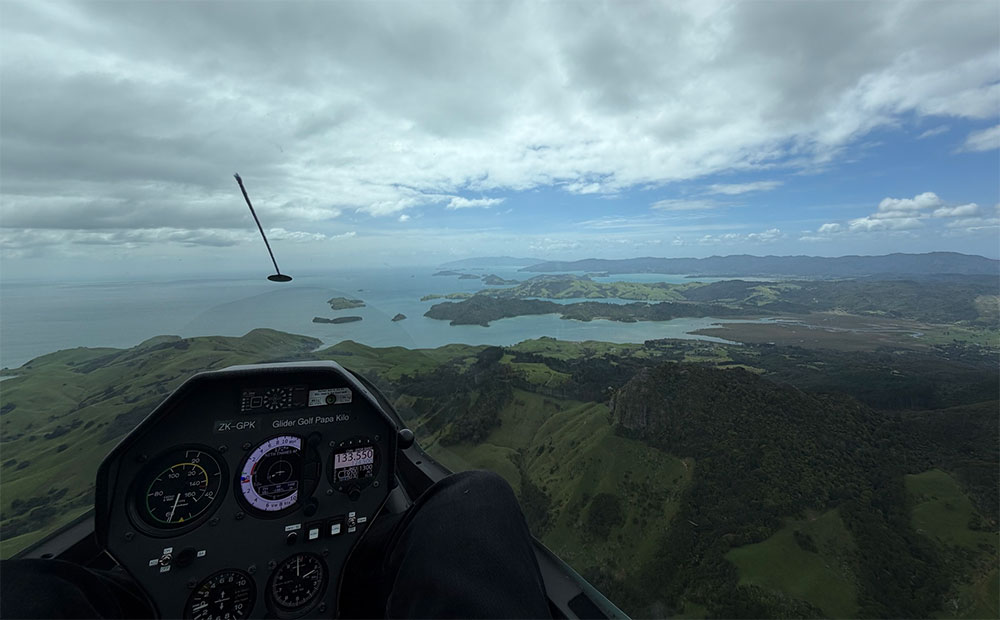
GP Class B
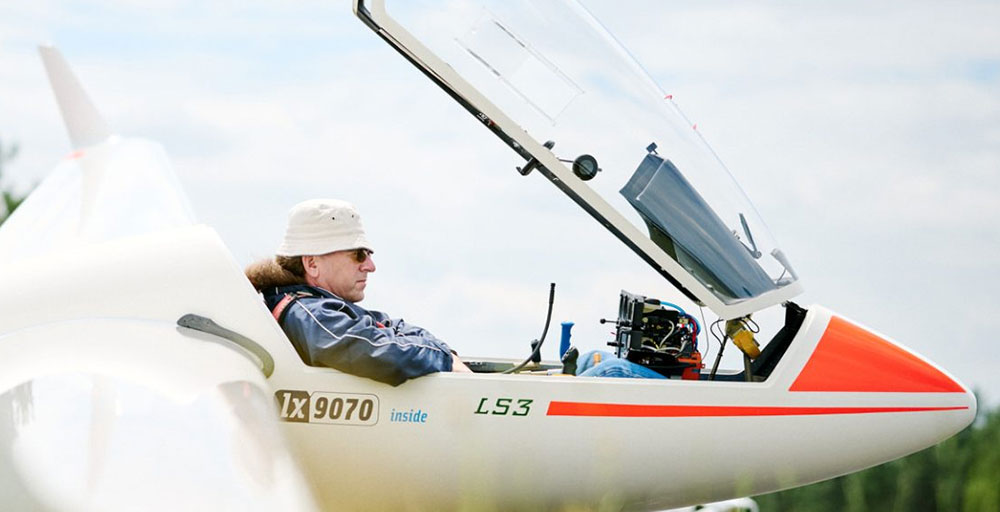
Steven Care (ASW 20, Pukekohe) won Class B convincingly on 33 points, with Derek Shipley (LS 3, Pukekohe) second on 26 and Brett Slater (SZD-48 Jantar Standard 2, Pukekohe) third on 24. It was a strong result for the Pukekohe club, which placed its pilots in all three podium positions.
Care's win was built on consistency rather than on any single outstanding day. He won Task 3 and placed in the top three on most other tasks, accumulating points steadily while others had occasional days to forget. Shipley made a late charge, winning the final task on 15 March at 74.79 kph, but the deficit to Care was too large to close. Phil Rees (GJ, Standard Libelle) finished second on the last day at 68.32 kph, with Ben Gambaro (HD, Standard Cirrus) third at 65.22 kph.
Class B tasks covered the same course distances as Class A, which meant pilots in older 15-metre Standard class gliders were covering 150 to 175 km at speeds in the high 60s to mid-70s kph range — respectable performances in aircraft that are now approaching 50 years old. Craig Best (ON, Mosquito) won Task 1 outright, demonstrating that the Mosquito remains a capable cross-country aircraft in the right hands.
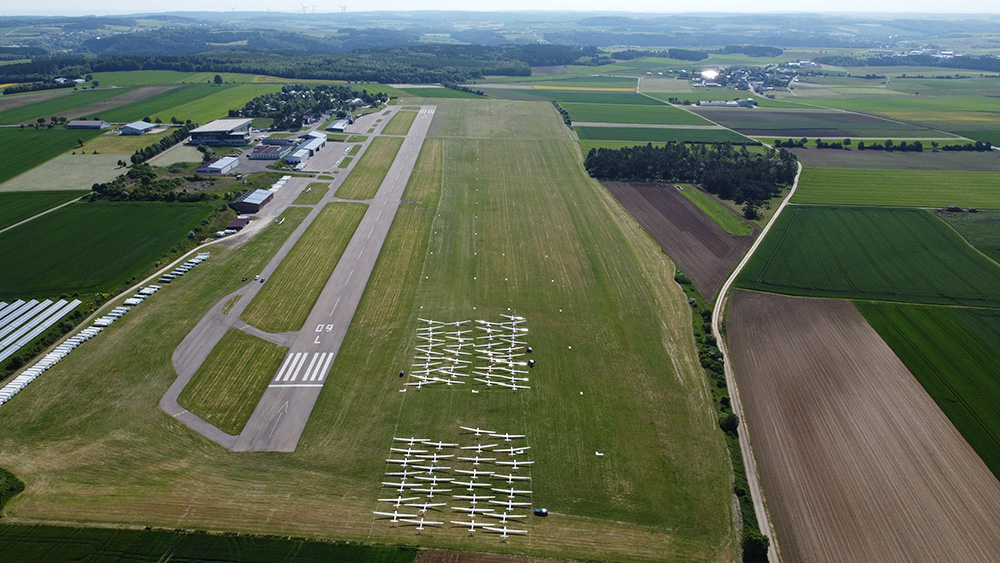
Matamata
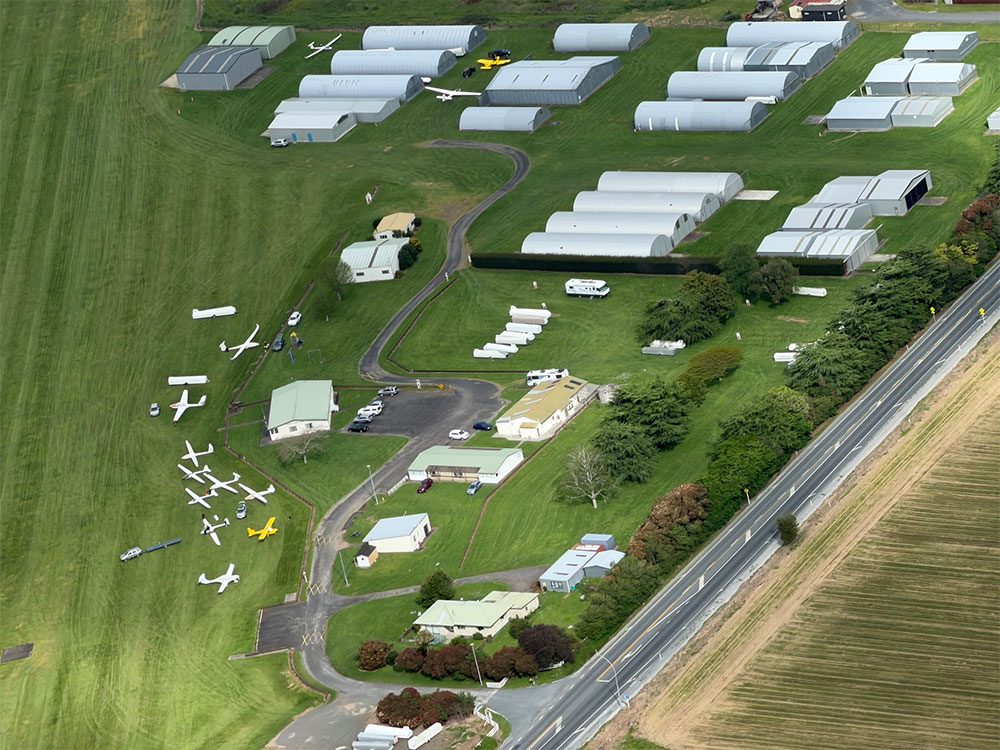
Matamata continues to provide one of the more reliable soaring venues in the North Island for a competition of this scale. The Waikato basin's terrain generates usable thermals during the summer months, and the relatively flat agricultural land around the aerodrome means landout options are generally reasonable, though as Task 1 demonstrated, conditions can deteriorate faster than forecasts suggest.
The Grand Prix format itself rewards a particular style of flying. Pilots who take measured risks, manage their energy well through the turnpoint sectors, and avoid the penalties that come from start infractions or low finishes tend to accumulate points even on days when they are not the fastest across the ground. Hunter's two-point margin over Bromhead and Johnson in Class A reflects exactly that kind of steady, penalty-free competition over five tasks.
Full results and task details for both classes are available at Soaring Spot tinyurl.com/matamata26