

Three Classes One Paddock
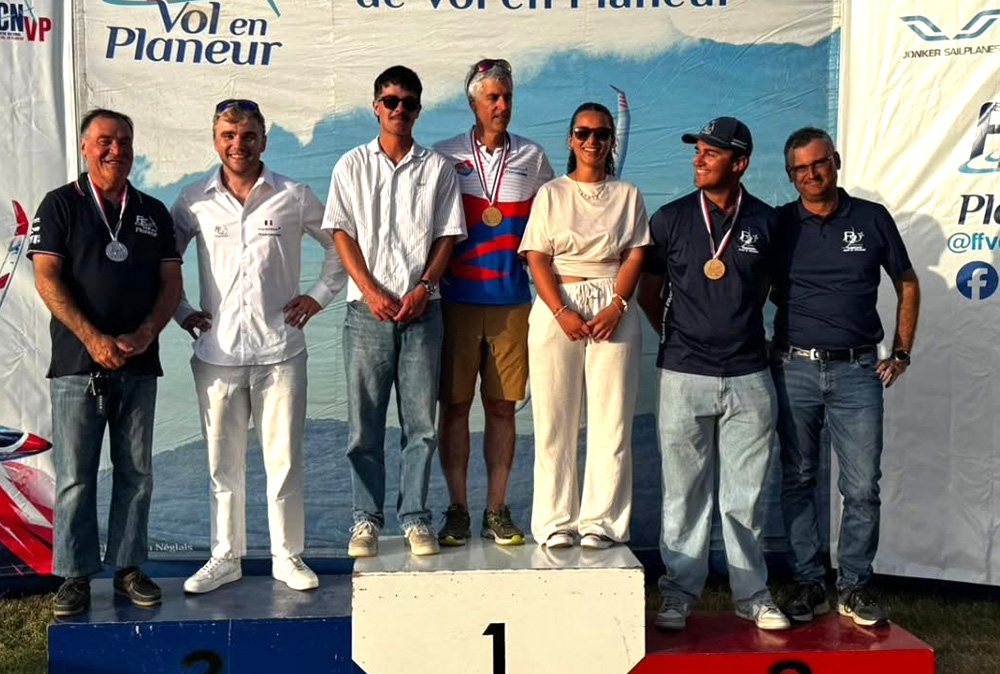
Tim Bromhead, Nigel Davy and Alexander Michael claimed national titles at Matamata over ten days of midsummer soaring in the Waikato.
Matamata, New Zealand — 30 January to 8 February 2026
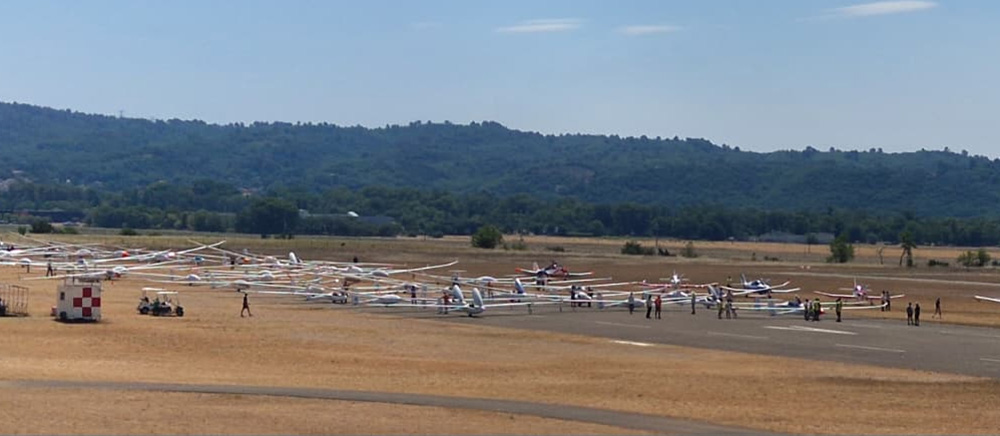
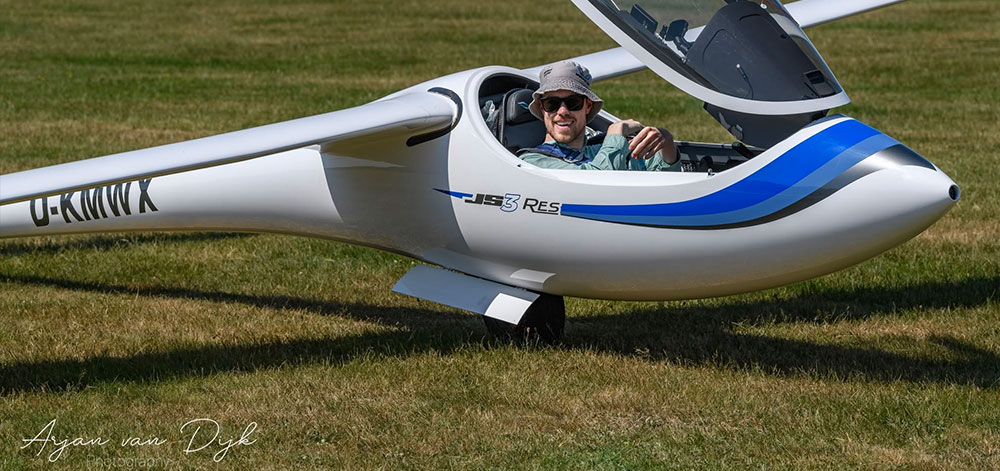
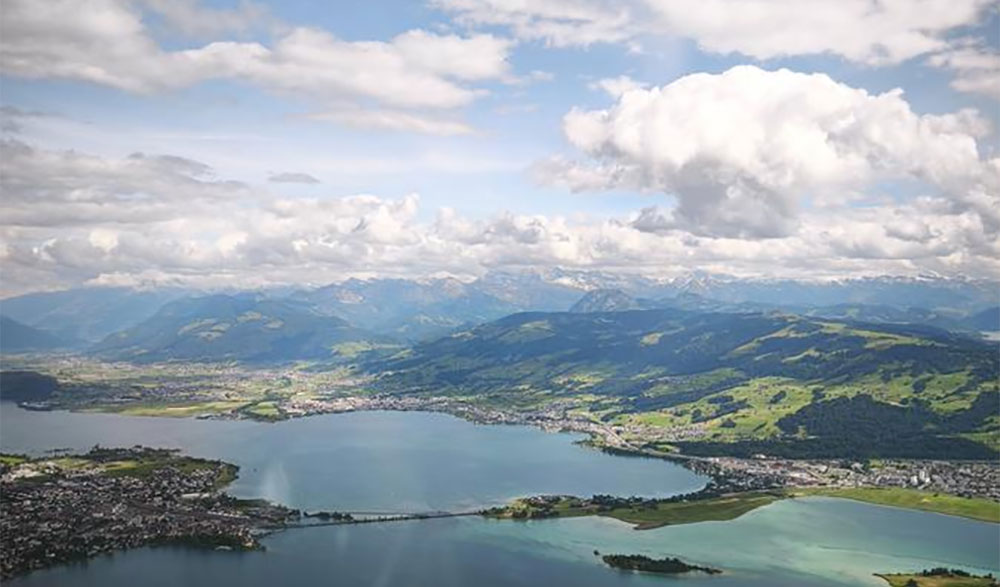
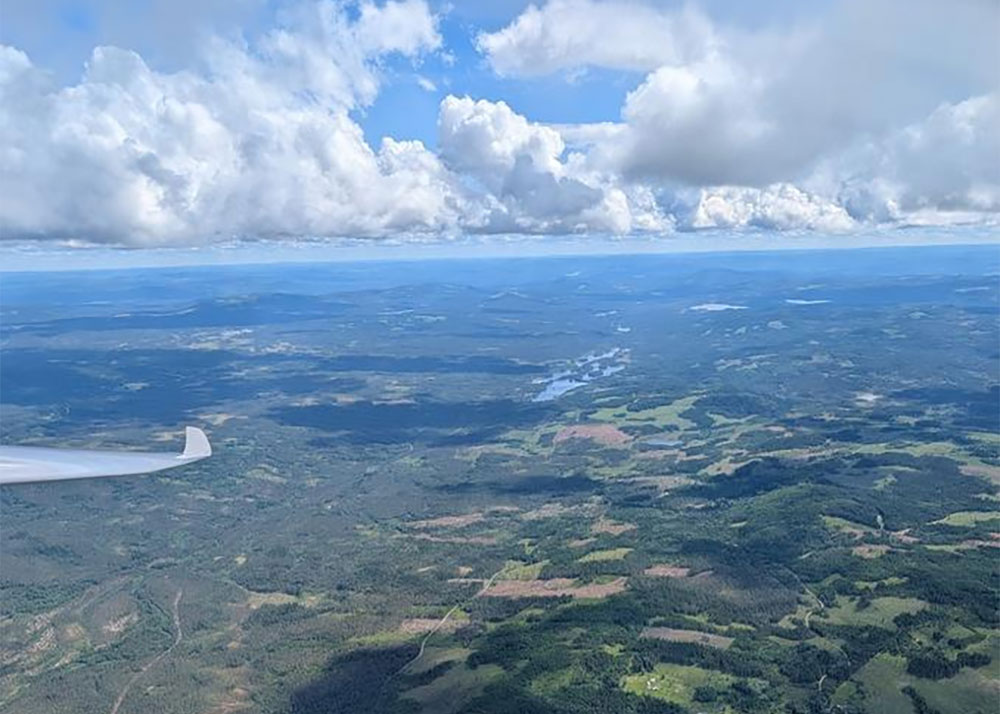
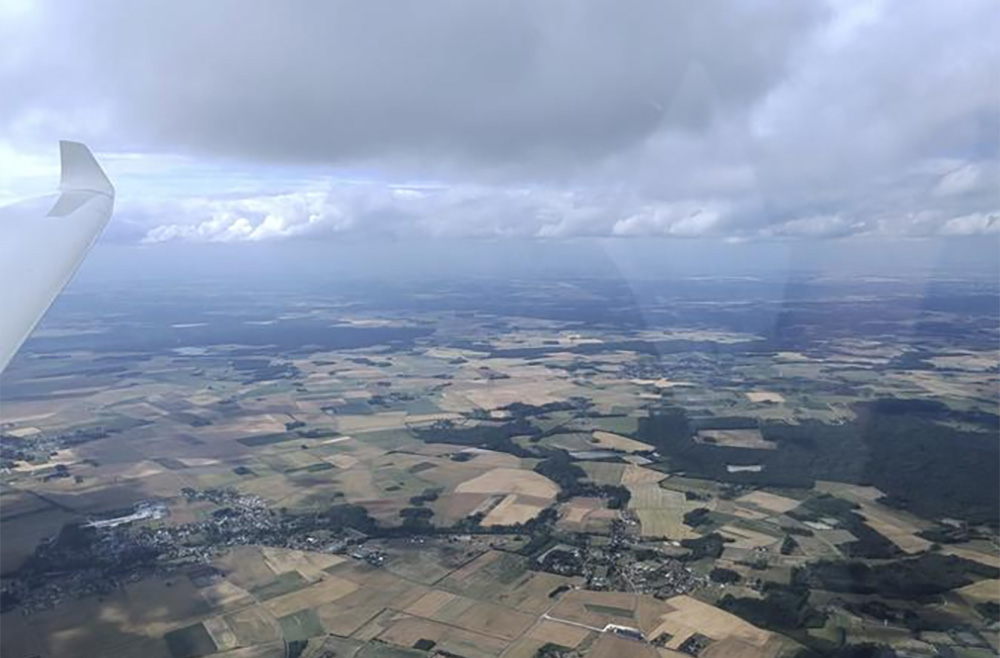
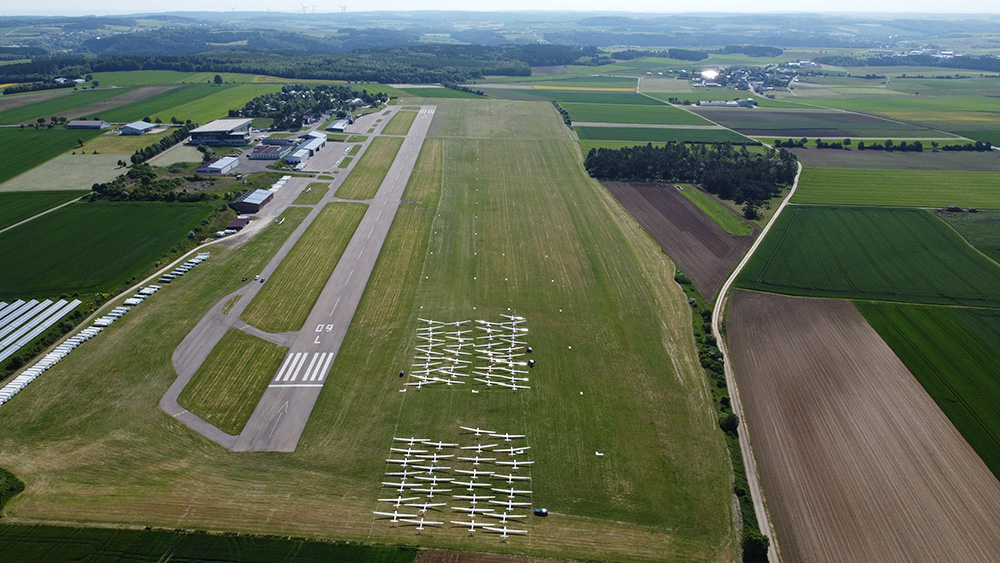
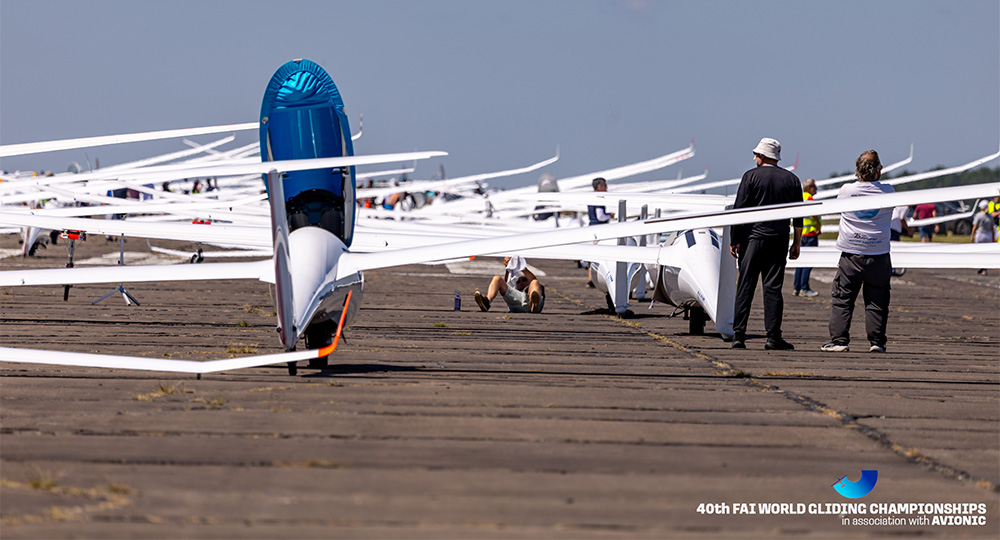
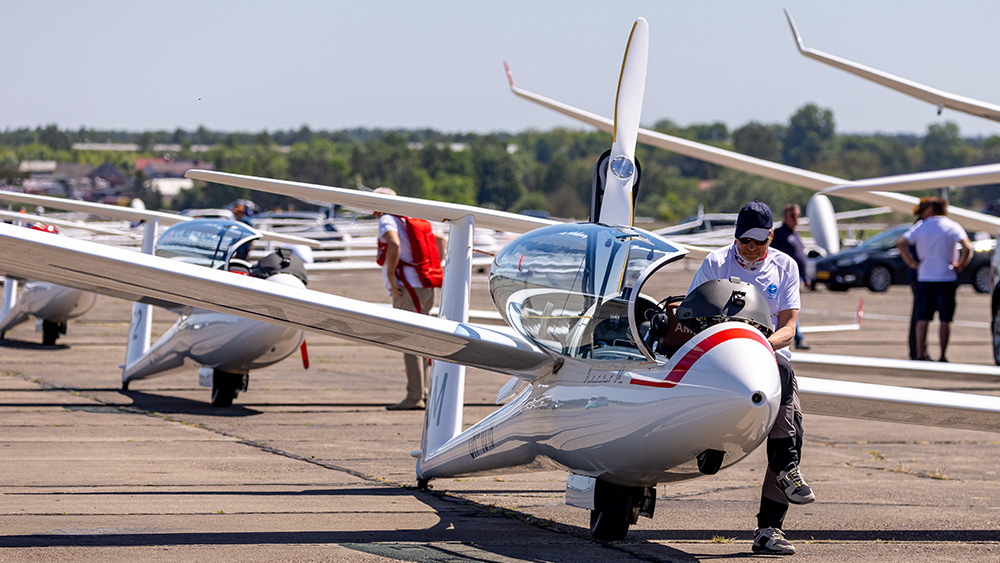
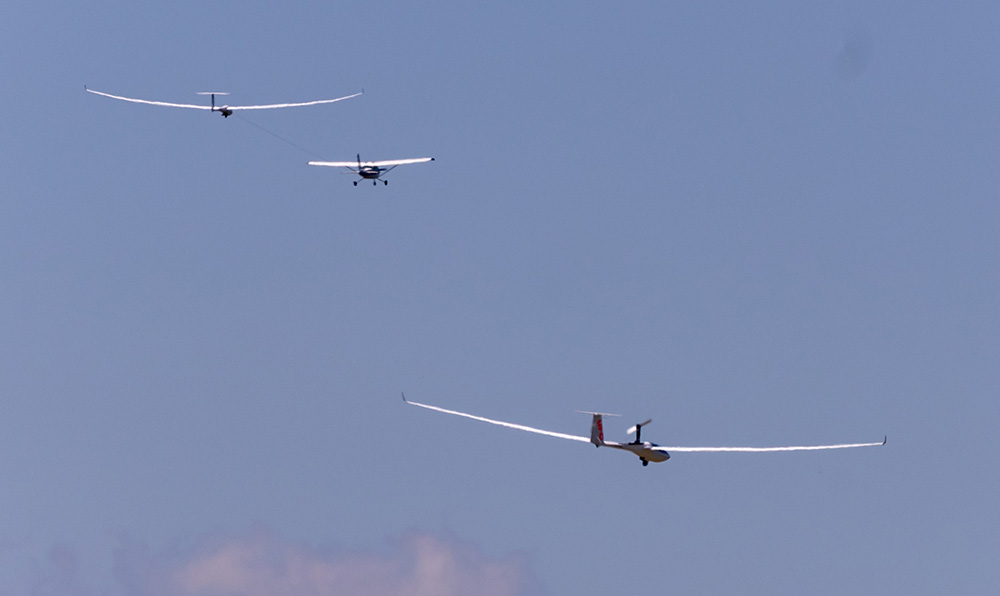
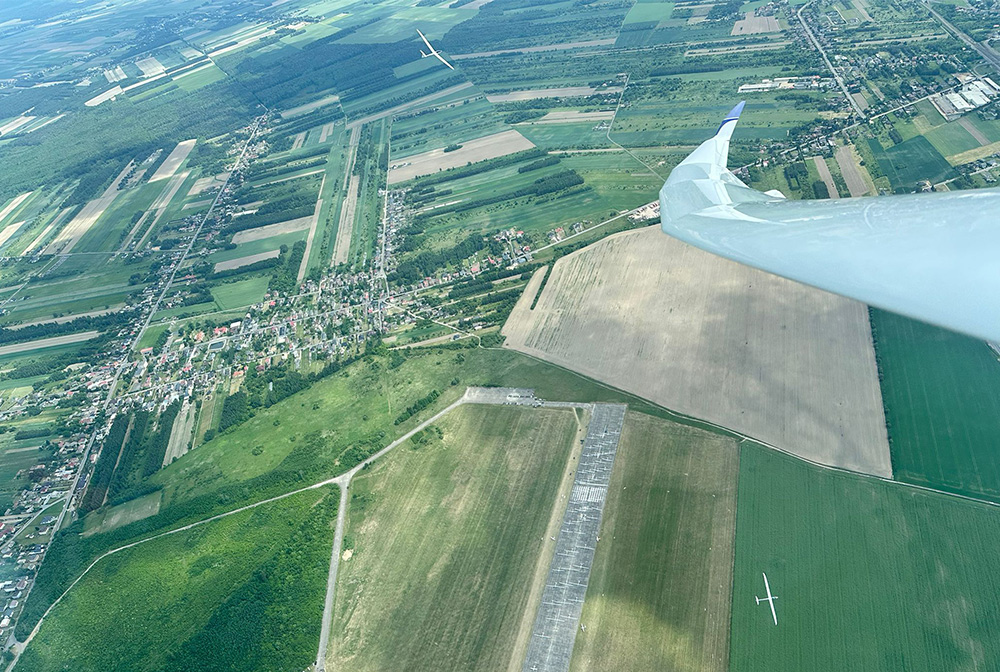
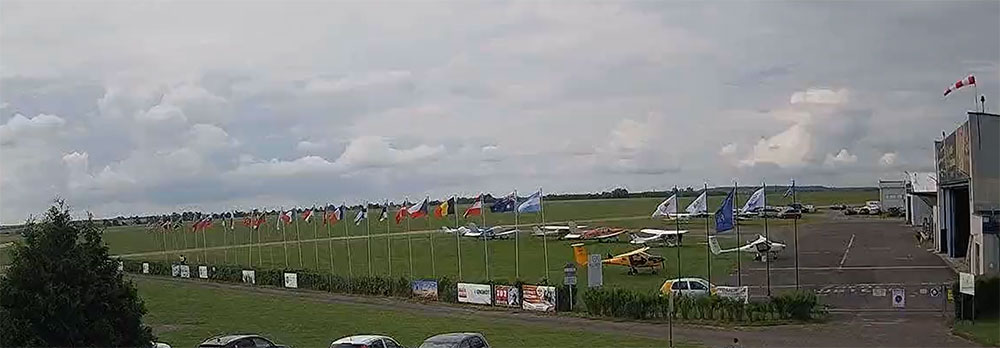
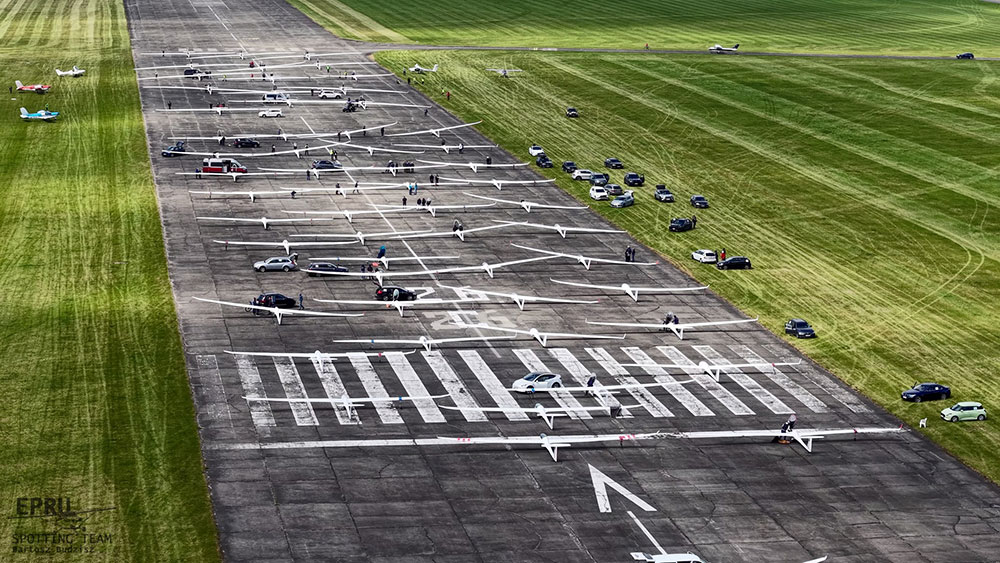
Matamata's Glider Airport sits in the middle of the Waikato plain, a broad, flat basin ringed by hills that funnel summer thermals reliably enough to make it one of New Zealand's most productive soaring sites. It was the right setting for the 2026 NZ Multiclass National Championships, which ran from 30 January to 8 February and drew 31 pilots across Open, Racing and Sports classes.
Competition flying began on 1 February after a practice day on the 31st of January. Two days were lost entirely — the 2nd of February produced no task for any class — but the remaining eight days kept all three classes busy. The Sports class managed nine scored tasks in total, one more than the Open and Racing fields, a reflection of the organisers' willingness to set shorter, more conservative tasks when conditions were marginal.
Open Class: Bromhead Holds Off Driessen
The Open class drew 13 pilots flying a mix that illustrated how broadly "Open" is interpreted at national level. Patrick Driessen's AS 33 Es carried a handicap of 111.5, the highest in the field, while Alan Belworthy flew a Duo Discus T on a handicap of 101.5 — the sort of spread that makes Open competition genuinely interesting to follow.
Tim Bromhead (PKO, Ventus cT) won the class on 3,906 points, finishing 46 points clear of Driessen and 205 ahead of Brett Hunter in third. It was a consistent campaign rather than a dominant one. Bromhead did not win the final task on 8 February, that honour going to Belworthy (102.39 kph) with David Johnson second (105.49 kph on a faster completed course) and Bromhead third at 101.85 kph. The gap between Bromhead and Driessen over eight tasks was narrow enough that a single poor day could have reversed the result.
Brett Hunter (TPO, Ventus cM) rounded out the podium in third overall, 159 points back from Driessen. Derek Kraak (AS-33) and Ross Gaddes (Ventus-2a) completed the top five, with Neil Harker's campaign ending in difficulty — his total of just 214 points suggests significant issues on several tasks, in sharp contrast to the 2,000-plus points accumulated by most of his competitors.
Racing Class: Davy Wins from the Front
Thirteen pilots entered the Racing class. The field included a Duo Discus flown by Nigel Davy (OGC) alongside an SZD-48-1 Jantar Standard 2, a 1977 Astir CS 77 in the hands of Derek Shipley, and Gerard Robertson's Ventus cT — a glider with a handicap of 106 that would be competitive in Open company.
Davy won convincingly on 3,330 points, 144 ahead of John Robertson (AKL, Discus-2b) and 321 ahead of Robert Gray (PKO, Duo Discus) in third. His final-day result of 97.10 kph was the fastest in the Racing class on 8 February, demonstrating he was still flying at full pace when the title was already secured. Robertson shadowed him all week and gave the field a genuine contest; the 144-point margin at the end of eight tasks, while clear, was not comfortable.
Ben Sly (Mosquito, 2,738 points) and Steven Care (ASW 20, 2,651 points) rounded out the top five, with Derek Shipley in sixth on 2,643 — a solid result for a glider that many would consider under-gunned in modern handicap competition.
Sports Class: Michael Takes the Title on Nine Tasks
With only five pilots, the Sports class was the smallest of the three, but what it lacked in numbers it made up for in variety. Alexander Michael flew a Mosquito (handicap 98) from AAV, while Rae Kerr's Dart 17 carried the lowest handicap in the field at 86 — a glass fibre Standard Class glider from the mid-1970s that requires precise flying to score well against more modern designs.
Michael won on 3,553 points, with Kerr second on 3,295 and Nathanael Melia (DG-200/17) third on 3,214. The gaps between the top three were relatively small — 258 points separated first from third — suggesting close racing across the nine tasks. On the final day, Michael set the fastest Sports class speed at 84.04 kph, with Melia second at 77.36 kph and Kerr third at 63.36 kph.
Paul Blackmore (LS 4) finished fourth on 2,161 points, and Steven Thrupp (Discus b) ended the competition fifth on 839 — a total that, much like some of the outlier scores in the other classes, suggests days lost to weather or landouts rather than any reflection of the pilot's ability.
Tasks and Conditions
The final day's tasks offered a useful window into the kind of flying on offer. The Open class was set a minimum distance of 130.62 km with a maximum of 290.47 km, giving an assigned area of 210.48 km over a two-hour task time. Racing flew a 93.55 to 248.61 km area task (169.27 km assigned), and Sports a 69.14 to 226.07 km task (146.30 km assigned). The speeds achieved — around 97 to 105 kph in the faster classes — point to reasonable but not strong thermal conditions, typical of the Waikato in an average New Zealand summer.
A Broad Field, a Practical Format
The multiclass format, running three separate competitions simultaneously from the same airfield, is well-suited to New Zealand's gliding community, where pilot numbers are healthy enough to support competition but not so large that separate venues are practical.
The 2026 championships produced three clear winners in Bromhead, Davy and Michael, each of whom earned their titles through consistency across a full week of flying rather than through a handful of outstanding days. Full results and task details are available at soaringspot.com. https://tinyurl.com/NZnats26